
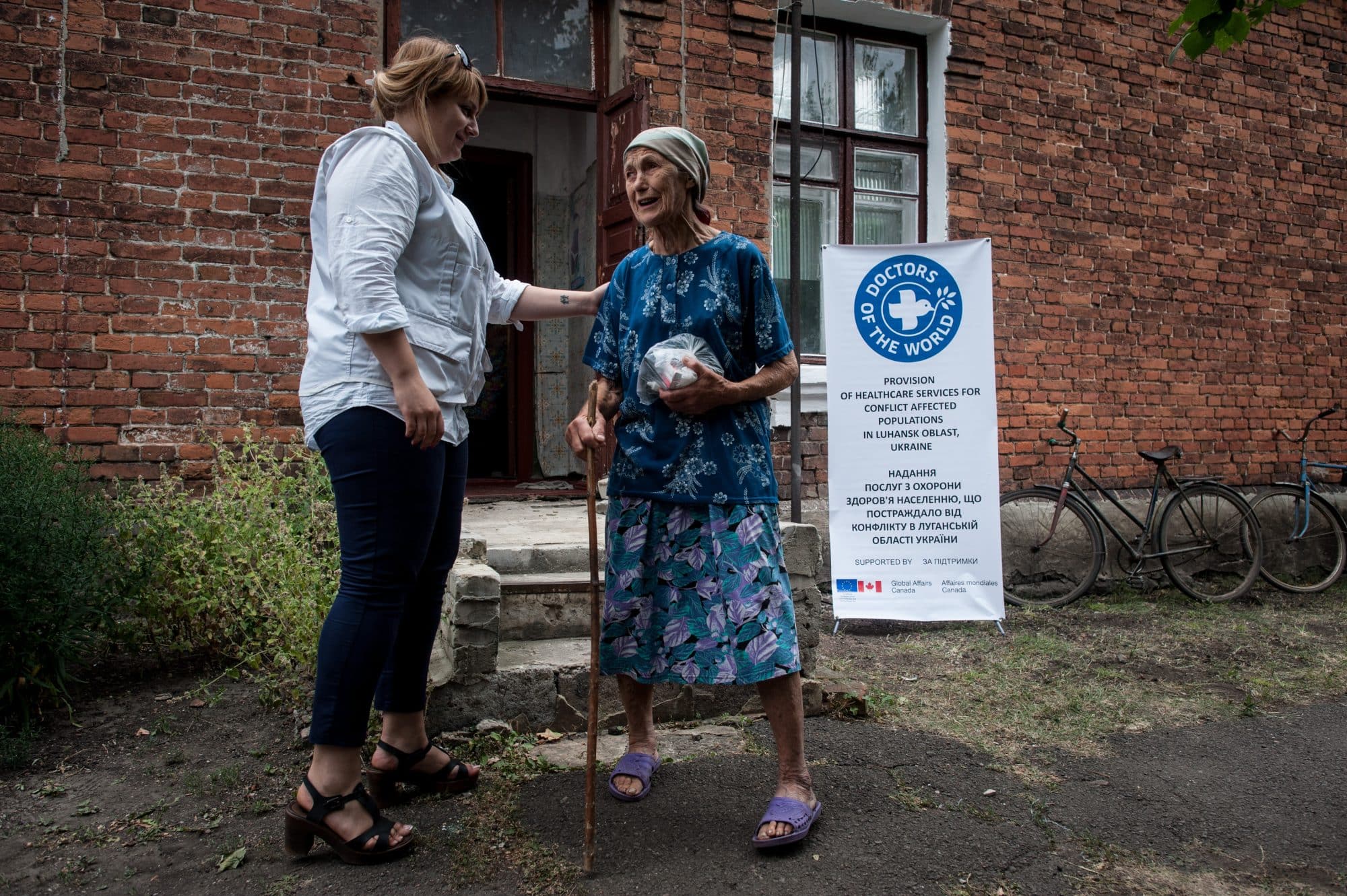
This year, on World Humanitarian Day, we want to honour the healthcare workers and Médecins du Monde teams in the field who, no matter the crisis they face, come to the aid of the populations most in need.
As the UN, which created this day, says, it takes a whole village to support people in crisis situations. We can support this village thanks to the generosity of our donors, as well as through the incredible work of our field teams and volunteers.
Let us share with you the impact of our teams’ work in the various crises we have faced this year.
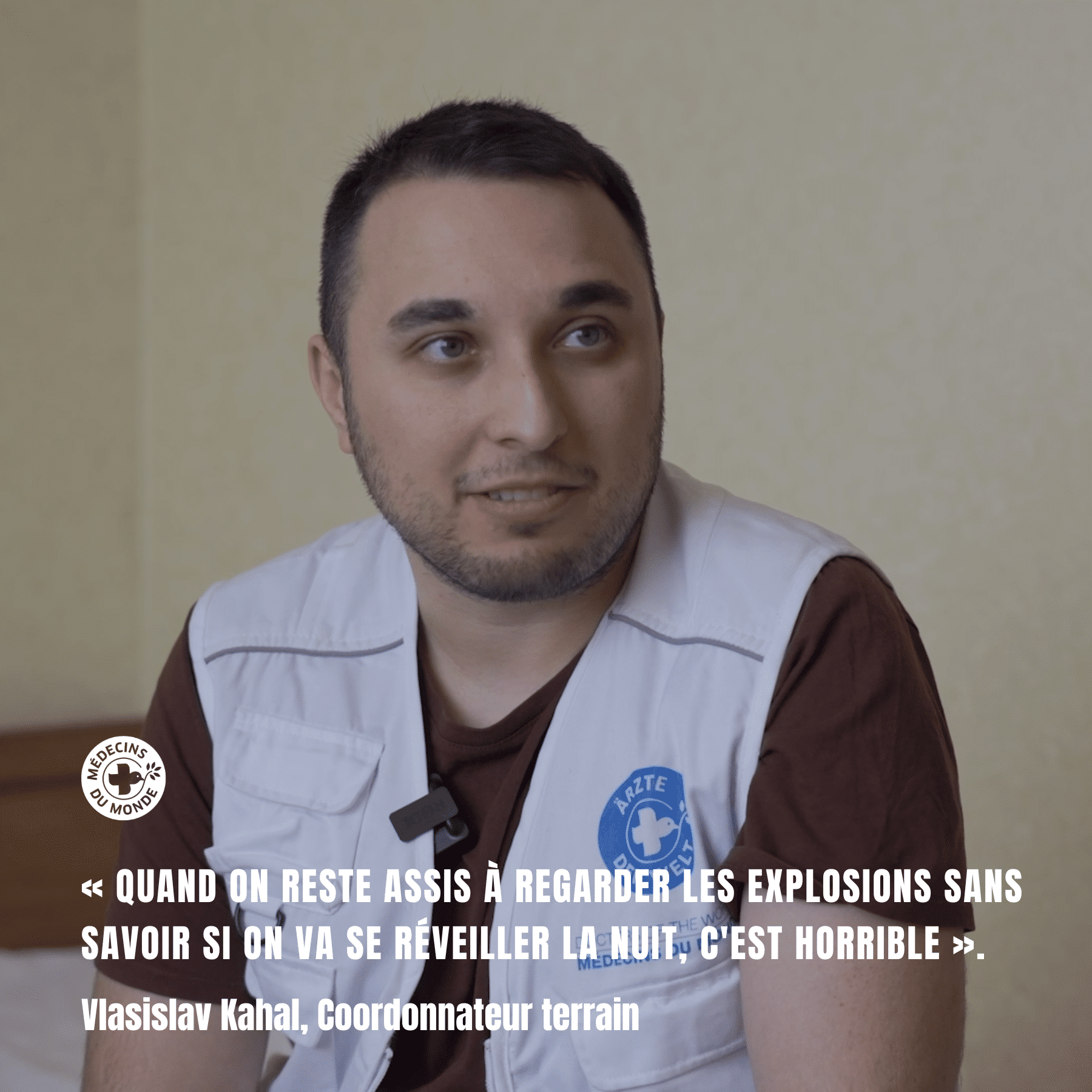
In Ukraine
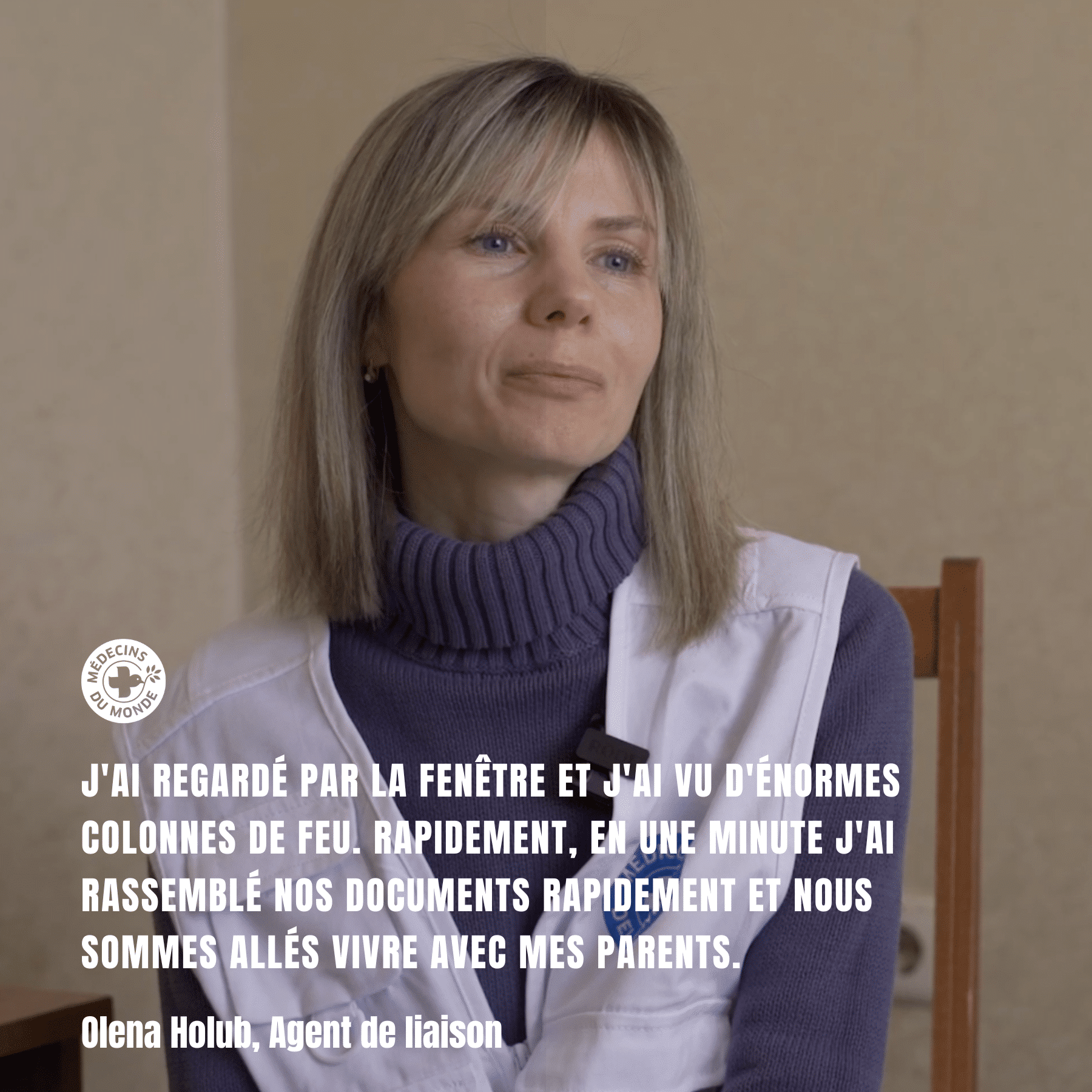
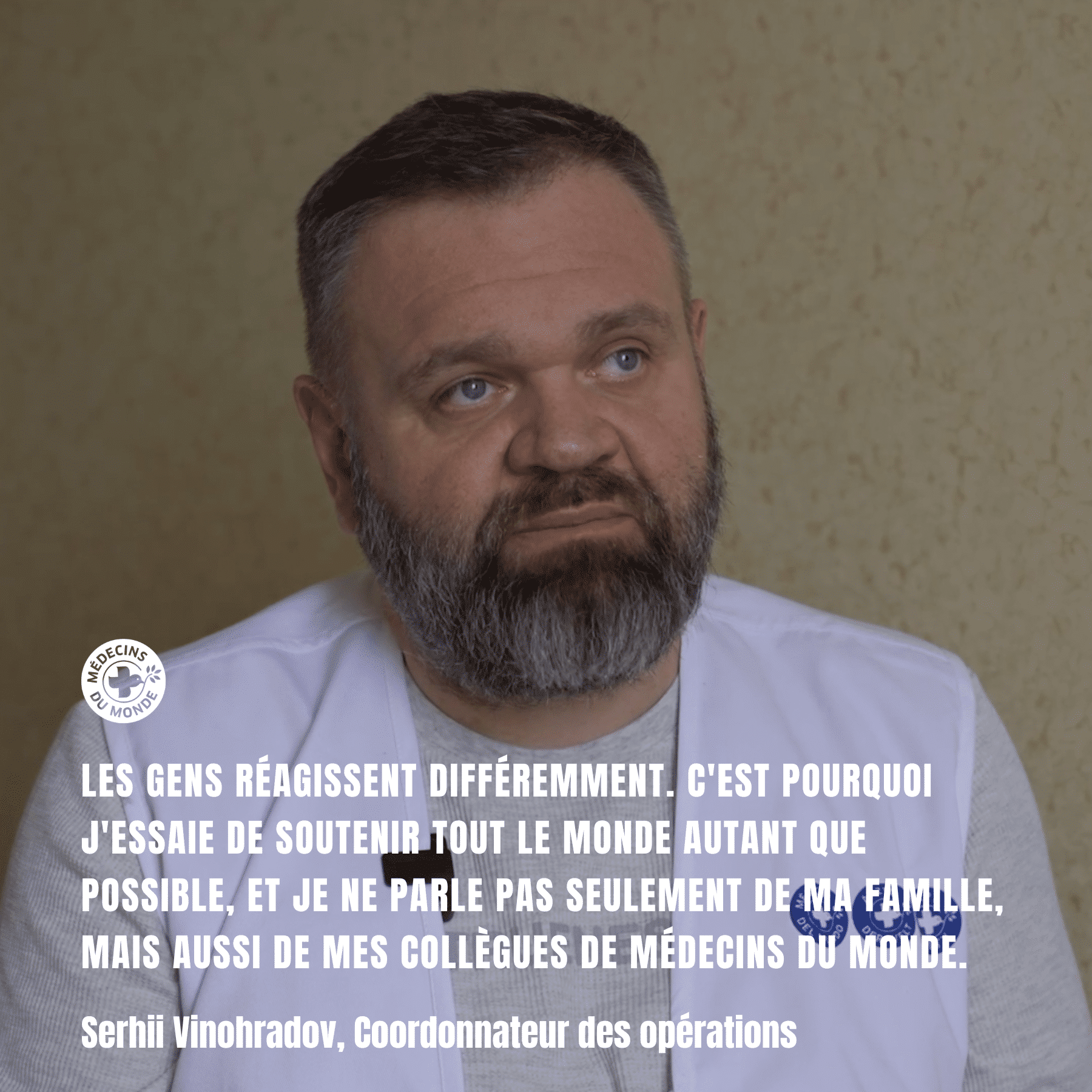
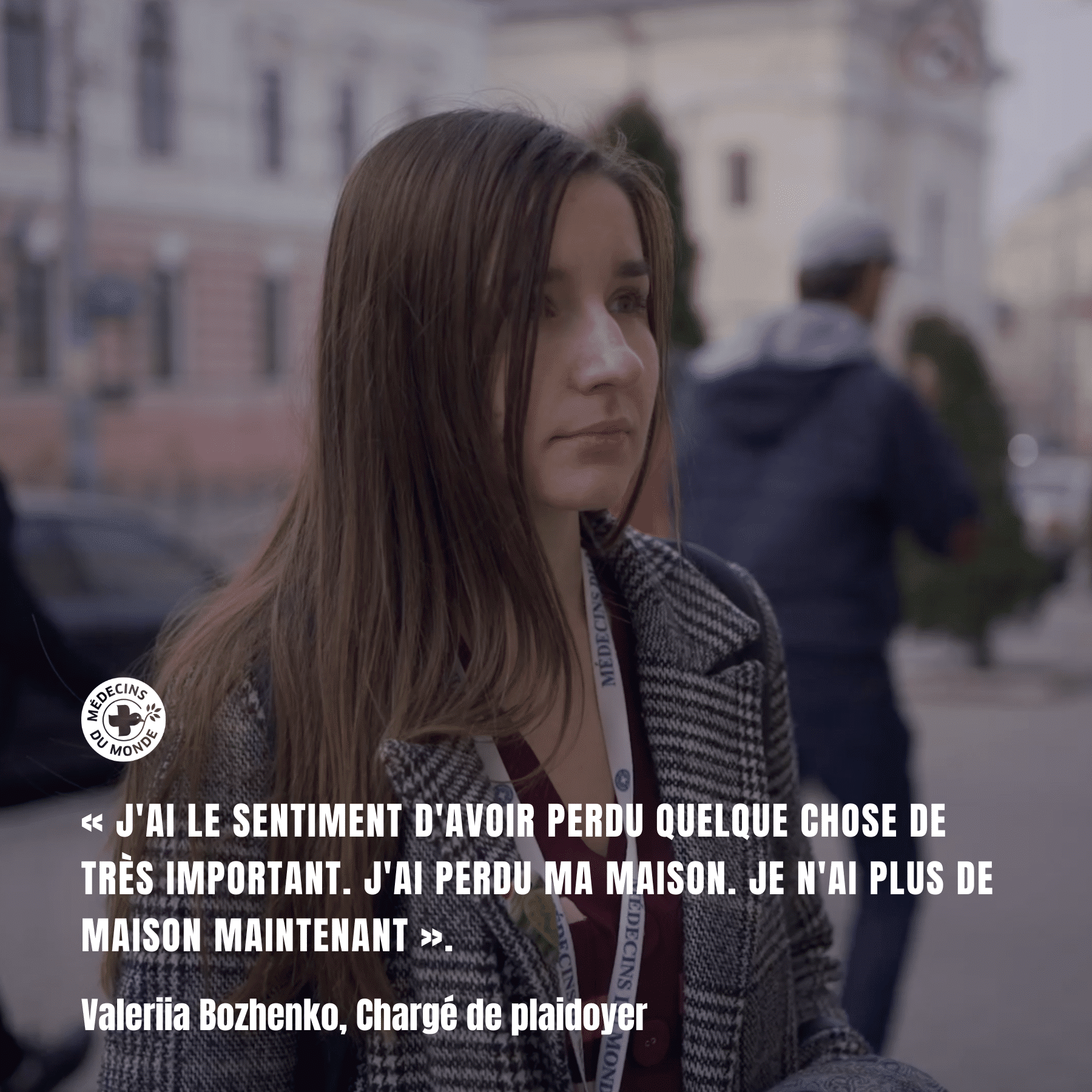
The conflict in Ukraine has now been ongoing for nearly six months. According to the United Nations refugee agency, 14 million people have been displaced. Among them are women, children, and medical and field staff, including our Ukrainian colleagues. Although affected by the conflict, they have nonetheless been there from day one to provide care to populations in need.
In Haiti
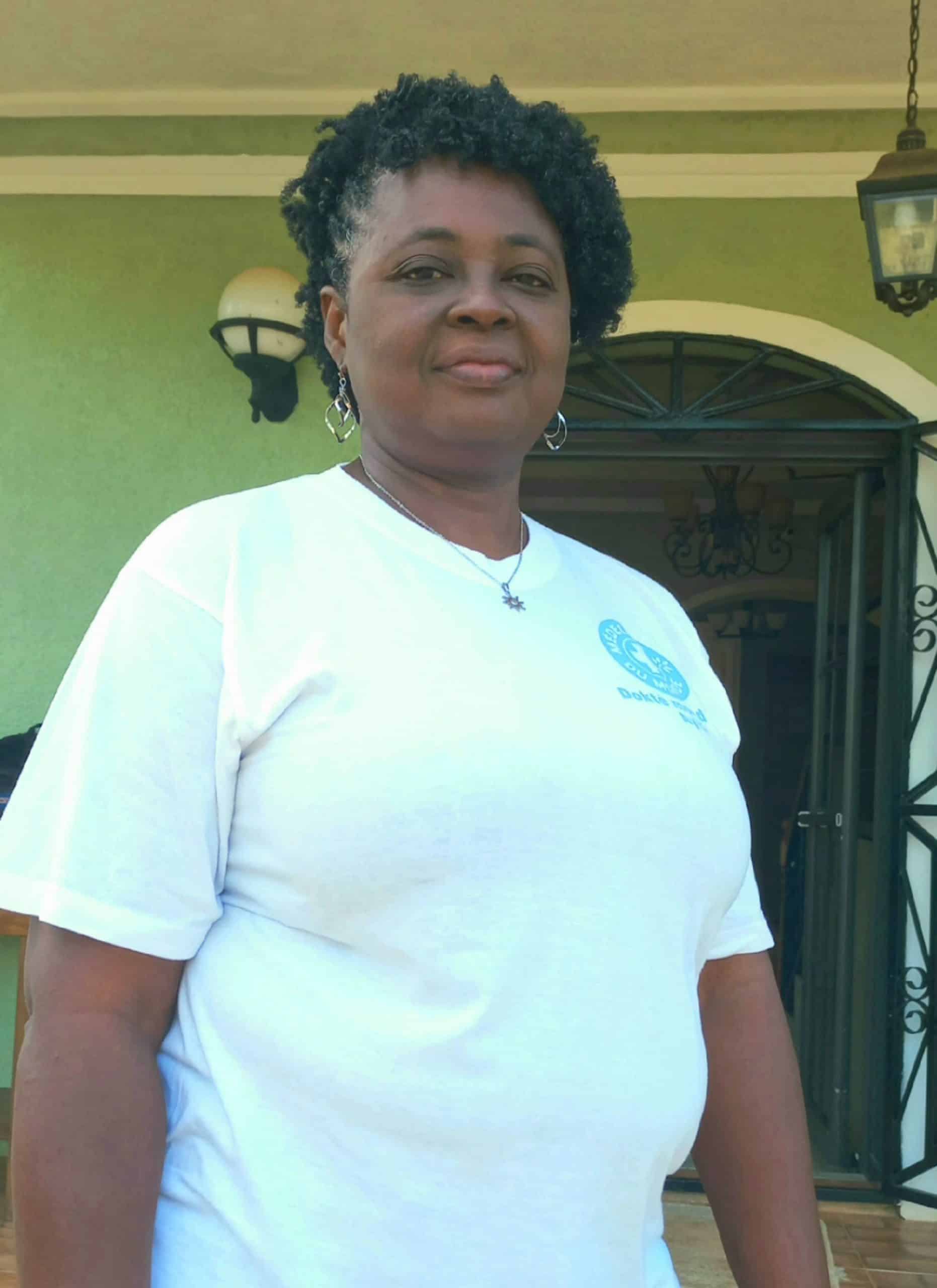
On August 14, 2021, a 7.2-magnitude earthquake devastated Haiti’s Grand Sud region, affecting thousands of people. In the remote department of Nippes, the earthquake claimed over 2,000 lives, injured 12,000, and caused 60,000 buildings to collapse, destroying homes, schools, and hospitals. In the first few months following the earthquake, Médecins du Monde, in collaboration with local actors, was able to intervene effectively thanks to the support of numerous partners and the generosity of Canadians.
Marie Flaure G. Janvier, Community Activities Officer, coordinated community health workers across the Nippes region after the disaster. These workers are members of the communities they serve. They act as intermediaries between their communities and institutions by conducting prevention activities, identifying needs, and assisting in the distribution of hygiene kits. This fieldwork was essential in identifying the real needs of the population and providing an appropriate response.
Learn more about our intervention in Haiti
In South Sudan
South Sudan is affected by multiple crises. The country is marked by political and intercommunal violence, massive flooding, localized droughts, and soaring food prices exacerbated by the crisis in Ukraine.
Instability has caused millions of internal and external displacements, while a third of South Sudanese people face acute food insecurity. A large portion of the population depends on humanitarian programs.
Médecins du Monde operates in Jonglei State, one of the most affected by the current situation. We support the health system by backing a primary health care centre, a semi-static health facility, a mobile unit, and hospitals. We are also the only humanitarian organization in the region offering mental health care.
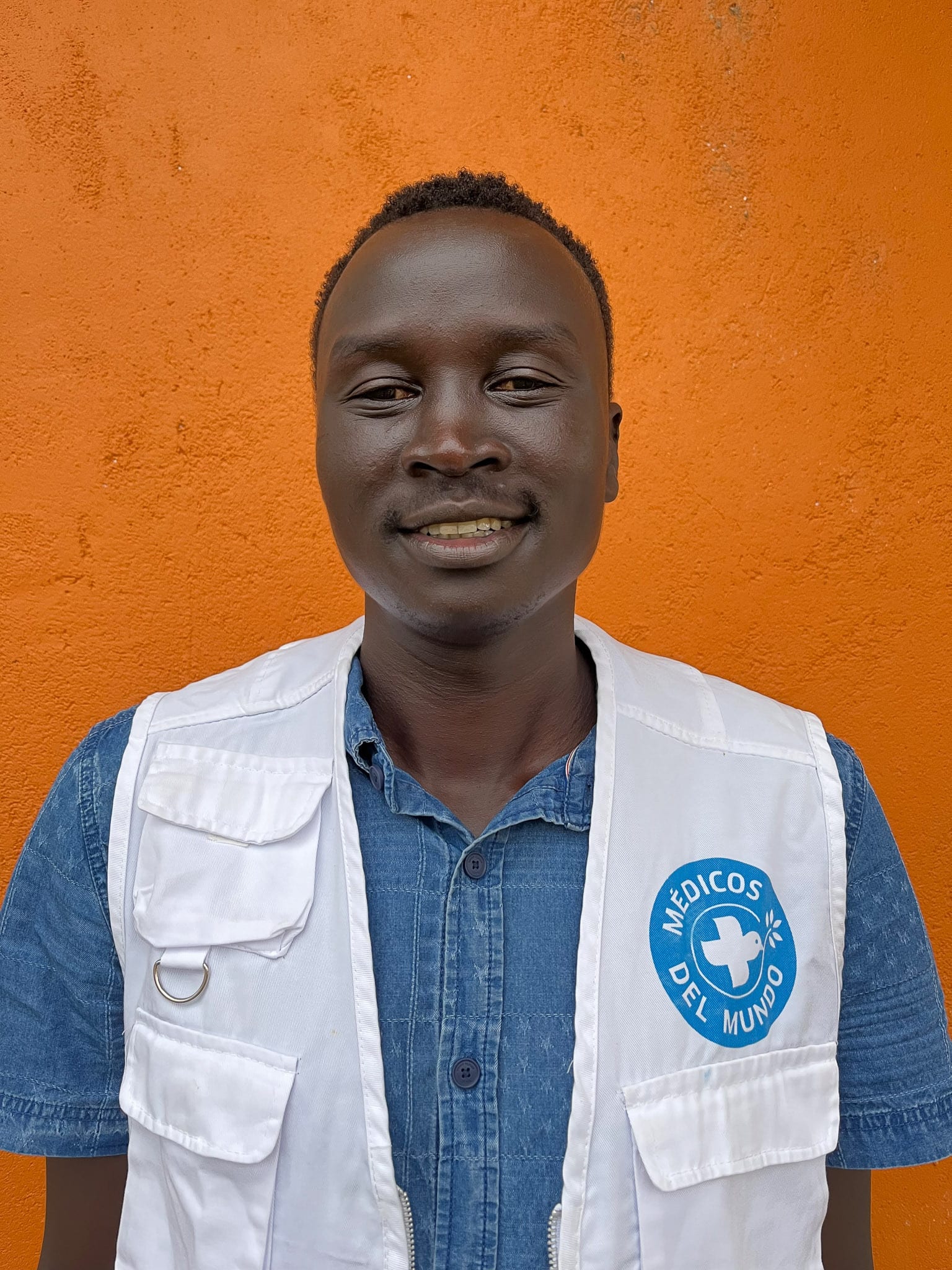
Gabriel Ayuel, Monitoring and Evaluation Officer for Médecins du Monde in South Sudan, himself sought therapy as part of his work. During a field mission, he lost two colleagues in an attack. After a year of follow-up, he decided to continue his work despite his family’s opposition.
After sitting down with them, he explained: “I must be there to provide services to my people; if we don’t step up to make a change, no one will do it for us.”
It is estimated that 181 million people worldwide could suffer from acute food insecurity in 2022. Currently, populations in sub-Saharan Africa are experiencing unprecedented levels of food and nutrition insecurity. The most marginalized populations, particularly women and girls, as well as internally displaced persons and refugees, will be the hardest hit. Médecins du Monde, the Humanitarian Coalition, and its member organizations have raised over 10.6 million dollars, including 5 million dollars in matching funds from the Government of Canada, to help feed and care for those suffering from hunger. Thanks to the support of our generous donors, Médecins du Monde will be able to act in South Sudan to support the health system, provide mobile clinic services in remote areas, and offer mental health treatments.
We thank our field teams for the work they do.
In Burkina Faso
The security and health situation in Burkina Faso is complex. Populations regularly face violence, particularly in the so-called “three-border” zone between Burkina Faso, Mali, and Niger. This insecurity has led to a major crisis, causing the exodus of 1.85 million people, over a third of whom come from northern Burkina. Nearly 2 million people are thus deprived of access to health care. Médecins du Monde has deployed a mobile clinic to provide free primary health care to displaced populations and address gender-based violence, which predominantly affects women and girls.
The mobile clinic must move every day to reach people in need of care. In advance, team members always visit the camps to inform people of the mobile clinic’s arrival. Today, we wish to honour the members of our field teams in Burkina Faso who work tirelessly to support and care for as many people as possible in distress in the refugee camps in Burkina Faso.
What is World Humanitarian Day?
On August 19, 2003, a bomb attack on the Canal Hotel in Baghdad killed 22 humanitarian workers, including the United Nations Secretary-General’s Special Representative for Iraq, Sergio Vieira de Mello. Five years later, the United Nations General Assembly adopted a resolution designating August 19 as World Humanitarian Day.
Each year, the theme of World Humanitarian Day brings together partners from across the humanitarian world to advocate for the survival, well-being, and dignity of people affected by crises, as well as the safety and security of humanitarian workers.
This year, we are highlighting the importance, effectiveness, and positive impact of humanitarian work.
World Humanitarian Day is a campaign by the United Nations Office for the Coordination of Humanitarian Affairs (OCHA).