Health and protection project aimed at saving lives for migrants and host communities in the Darién region
people in need of humanitarian aid.
internally displaced persons.
people affected by violence and armed conflict.
In Colombia, after decades of conflict between the State and various armed groups and despite the signing of the peace agreements in 2016, internal conflicts persist. The rights of civilian populations, particularly in rural areas, continue to be threatened and violated by different armed groups. In recent years, natural and climate-related disasters and mixed migration flows have only amplified these difficulties, particularly in remote geographical areas where the State is barely or not present at all, and where humanitarian access remains a challenge.
In 2025, the humanitarian situation in Colombia has significantly worsened. Clashes between armed groups have intensified in the departments of Cauca, Nariño, Chocó, Valle del Cauca, and Catatumbo. Violence against civilians has increased: at least 85,550 people have been affected by threats, disappearances, and targeted violence between January and August 2025.
Furthermore, forced displacements are on the rise. Confinements, the use of anti-personnel mines and explosives, and attacks on civilian infrastructure have reached worrying levels, making 2025 one of the most critical years of the last decade.
To this panorama is added the reduction of humanitarian space, due both to restrictions imposed by illegal armed groups and to the decrease in funding from international cooperation.
Although over 95% of the population is affiliated with Colombia’s social security health system, health services are often inaccessible due to complex geographical conditions, lack of adequate infrastructure, shortage of health personnel, and the presence of armed groups in the territories.
Thus, in the isolated rural areas of the departments of Putumayo, Amazonas, Nariño, Cauca, Valle del Cauca, and Chocó, the nearest health center is sometimes several hours away on foot or by canoe.
In March 2025, the Colombian government adopted a national rural health plan, officially recognizing the significant health access inequalities in rural and remote areas. Incorporating an intercultural approach, this plan aims to reduce these territorial inequalities, and both its implementation and continuity represent a major challenge ahead of the 2026 presidential elections.
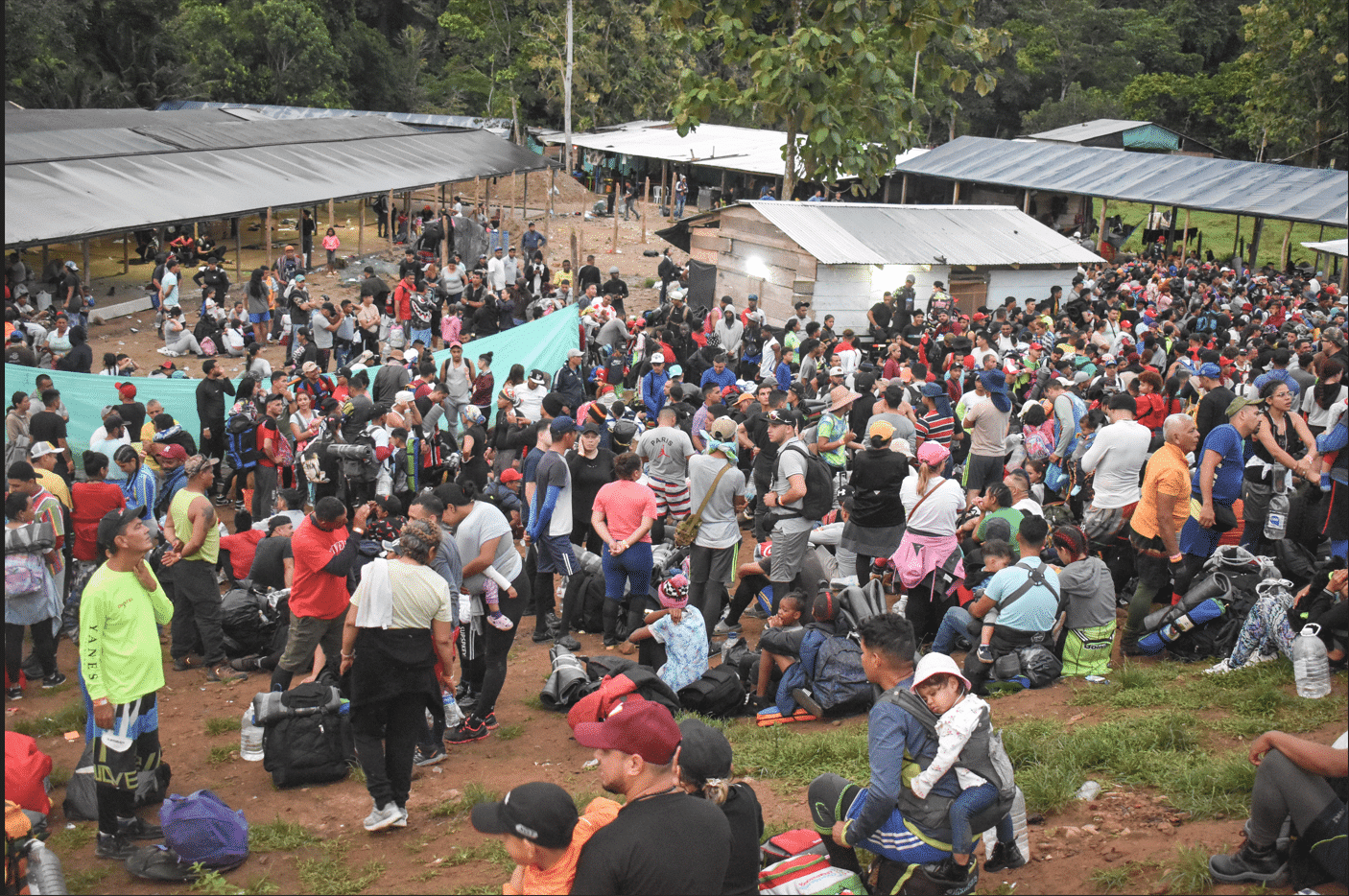
Photo: Médecins du Monde - Las Tecas Camps
The Doctors of the World teams quickly adapted their intervention to follow the evolution of migration routes, particularly along the Atlantic coast where an increasing number of people in reverse exodus are now transiting.
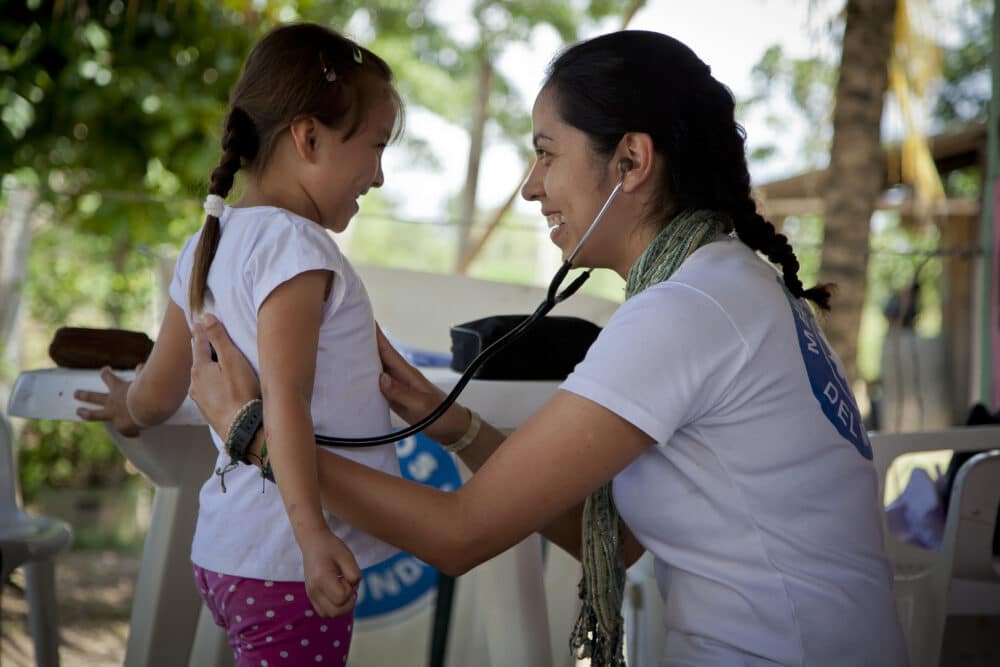
Two permanent care points have been established in Capurganá: the first at the dock, where the team provides primary health care — including sexual and reproductive health and psychosocial support — in coordination with the Colombian health authorities; the second in a shelter where migrants spend the night before continuing their journey to Necoclí or Turbo.
In addition, mobile clinics deployed in the most hard-to-reach areas of Acandí and Capurganá offer primary health care, sexual and reproductive health services, and mental health support — for both migrants and host communities. This approach helps expand health coverage, prevent disease outbreaks, and reach a population otherwise left behind by institutional health services.
This response is also part of a logic of complementarity: while other international organizations focus on protection, Doctors of the World prioritizes primary health care and prevention, ensuring comprehensive coverage of needs throughout the migration journey.
“This experience shows how, in a humanitarian context, a space for dialogue and attentive listening can become a turning point.”
— Lesly Abuchar and Andrea Aguilar, members of the Doctors of the World team