Emergency medical response to Ebola for vulnerable populations affected by humanitarian crises in Tanganyika Province, Democratic Republic of the Congo.
people need humanitarian aid.
internally displaced people.
people require vital health assistance
including 1.5 million children under five
The Democratic Republic of the Congo (DRC) is experiencing one of the most complex and longest humanitarian crises in the world. This crisis takes many forms, and humanitarian needs are pressing. Population movements, food insecurity, epidemics and security issues are the most concerning elements.
Already plagued by armed conflicts and a humanitarian crisis, the Northeast of the Democratic Republic of the Congo is now facing an Ebola epidemic, the 17th in the country since the virus was discovered in 1976. Médecins du Monde immediately strengthened the protection of its teams and the people being treated in the supported health centres.
In the DRC, critical food insecurity affects more than 26.6 million people, including 3.9 million in a food emergency situation.
Children under the age of 5 are particularly vulnerable. It is estimated that in 2026, 5.2 million of them will suffer from acute malnutrition, including 1.7 million in severe form. Chronic malnutrition, exacerbated by food insecurity and limited access to care, affects nearly one in two children in certain areas of the country.
In the DRC, the health system remains extremely fragile and subject to strong structural constraints. According to an assessment conducted in September 2025 by the International Committee of the Red Cross, 85% of facilities experience stockouts of medicines, and nearly 40% have suffered a loss of health personnel. These dysfunctions hinder access to care for vulnerable populations, particularly in terms of primary health care and emergency care.
The DRC faces regular epidemics, fueled by the fragility of the health system, population displacements, limited access to drinking water, and natural disasters such as floods.
Cholera remains one of the main health threats: more than 71,900 suspected cases and 2,044 deaths were recorded in 2025, an increase of about 125% compared to 2024. Twenty-three provinces are affected, particularly in the east of the country, where population displacements and limited access to drinking water facilitate the spread. Measles also continues to rage, with more than 87,000 cases and about 1,230 deaths in 2025, despite vaccination campaigns, the coverage of which remains insufficient in several areas. In addition, Mpox outbreaks affected 25 provinces in 2025, with more than 93,000 suspected cases and 21,000 confirmed cases, making the DRC the most affected country in the world by this viral infection.
In 2026, 5.2 million people are at risk of gender-based violence in the DRC. 37% of women aged 15 to 49 report having experienced physical violence, and 15% sexual violence. In 82% of cases, the perpetrators of the violence are husbands or partners. Less than 1% of survivors file a complaint, illustrating the scale of social, institutional, and judicial barriers.
Beyond physical or sexual violence, everyday violence widely affects women and girls who, faced with gender inequalities, socio-economic barriers, and stereotypes deeply rooted in society, have little access to education, information, and health services tailored to their needs. Nearly 80% of married women or those in a union do not use any form of contraception. Barriers are notably linked to social norms, risks of stigmatization, or the low availability of supplies.
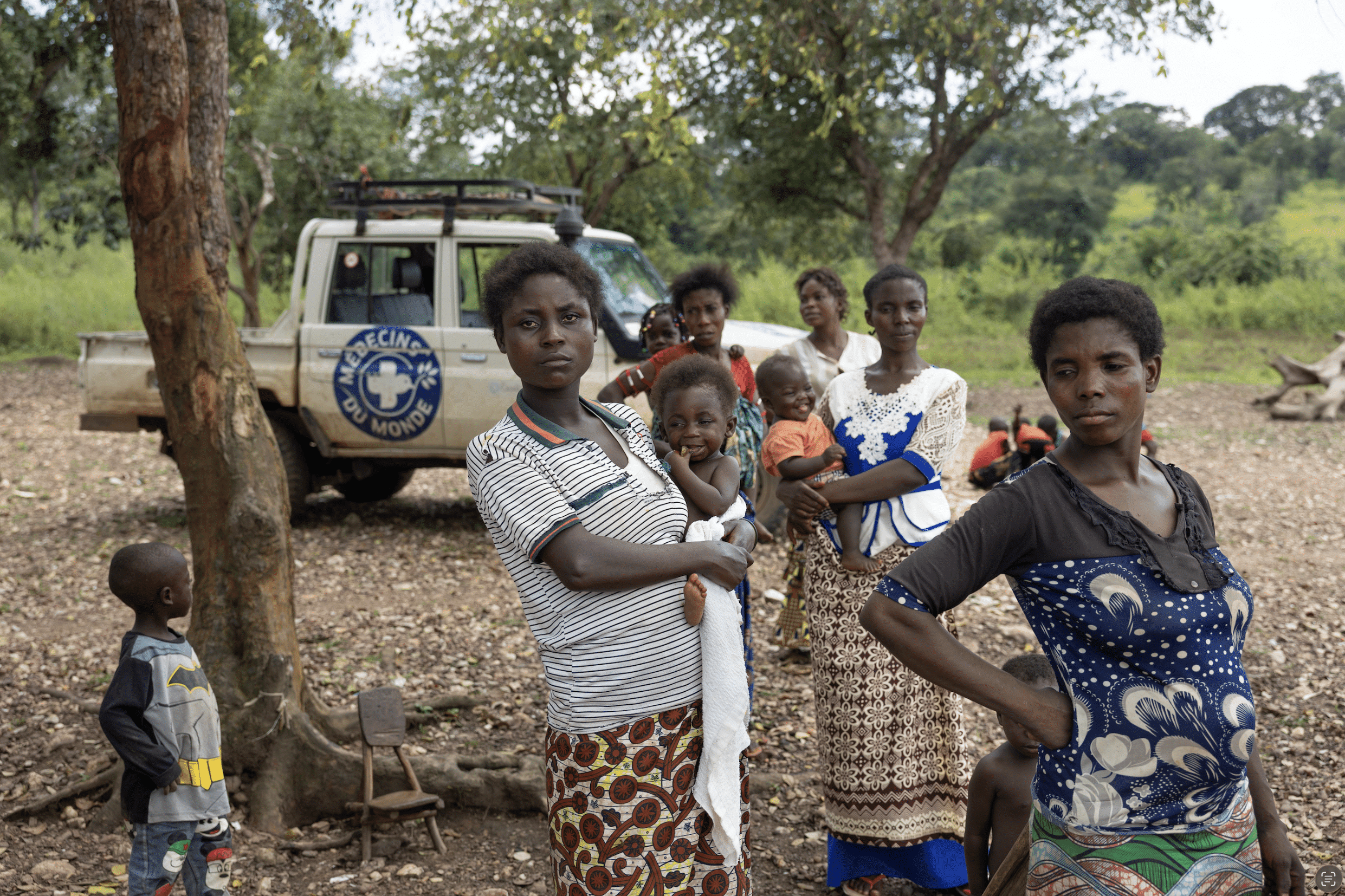
Women and their children participating in a nutrition workshop at the Kilwa camp, one of the four camps for internally displaced persons located in the municipality of Kabeya May
Doctors of the World, in collaboration with local partners, improves access to quality primary health care, sexual and reproductive health services, care for gender-based violence, and nutrition services. Interventions are based on strengthening health structures, supplying essential medicines, training health personnel, providing psychosocial support, and community mobilization.
Doctors of the World deploys rapid responses during population displacements, epidemics, or natural disasters to provide proximity care to affected communities. In parallel, community outreach workers, women’s networks, and local leaders play a key role in awareness-raising, prevention, malnutrition screening, and referring individuals to health services.
Despite the ongoing crisis, population displacements, and difficulties in accessing services, communities in Tanganyika have benefited, thanks to the efforts implemented by the project, from improved access to free health care. The supply of essential medicines, the strengthening of health personnel capacities, and the establishment of a system for referring life-threatening emergencies have helped support the continuity of care in the supported health structures, including in areas hosting displaced populations.
Doctors of the World strengthens access to sexual and reproductive health services and care for gender-based violence. The activities implemented have helped enhance the skills of health providers, improve service availability, and support referral mechanisms to care structures. Community awareness-raising activities have also contributed to better informing displaced and host populations about the available services.
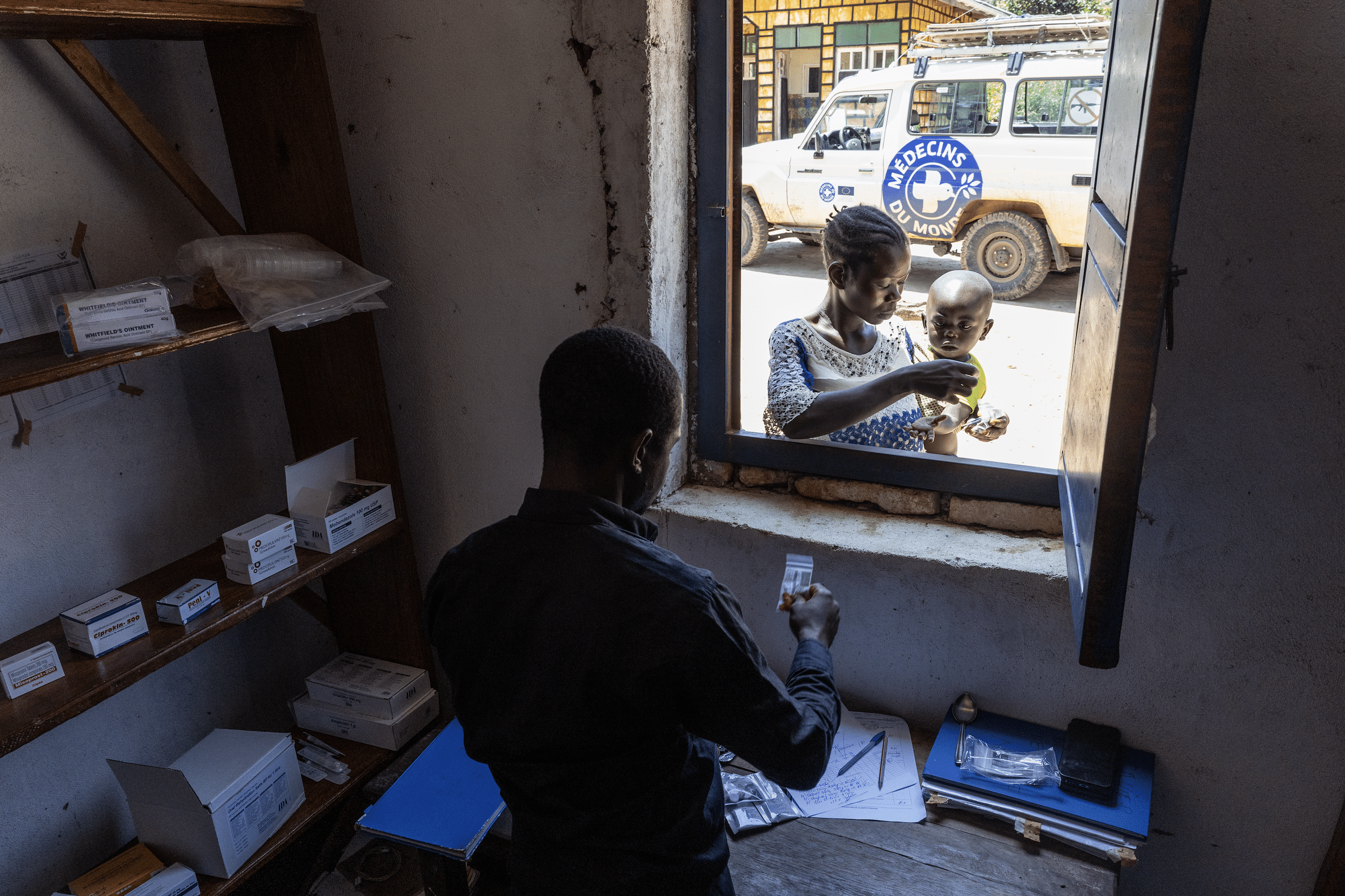
Photo: Alexis Aubin - Médecins du Monde