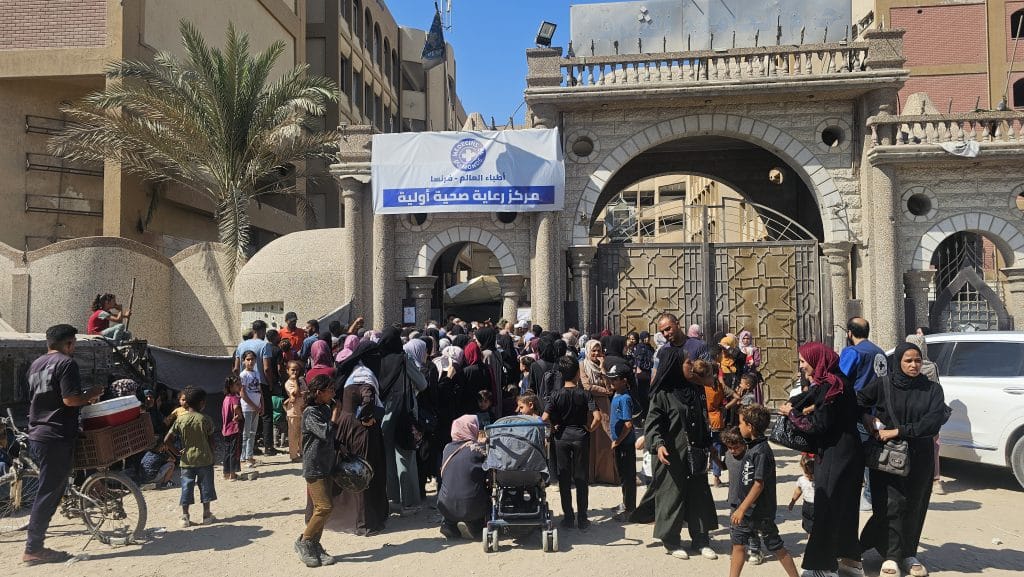
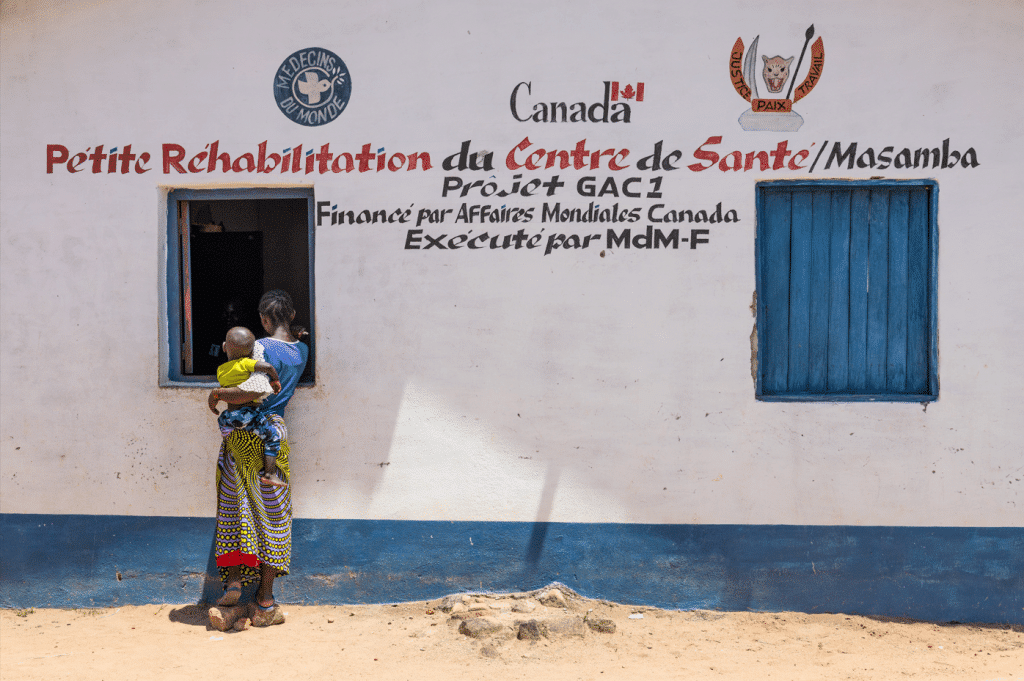
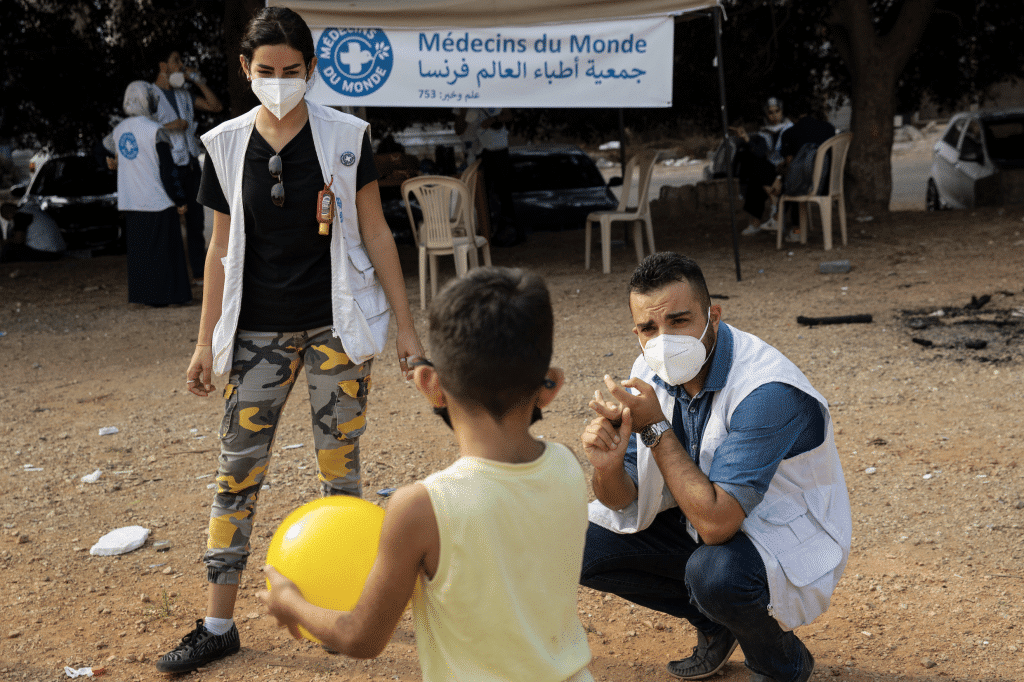
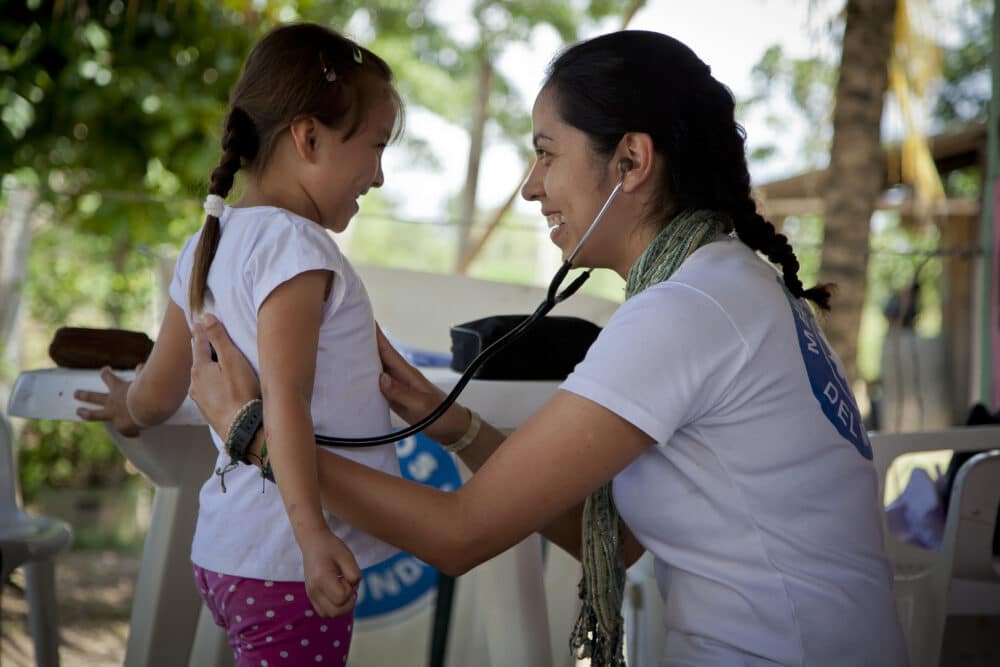
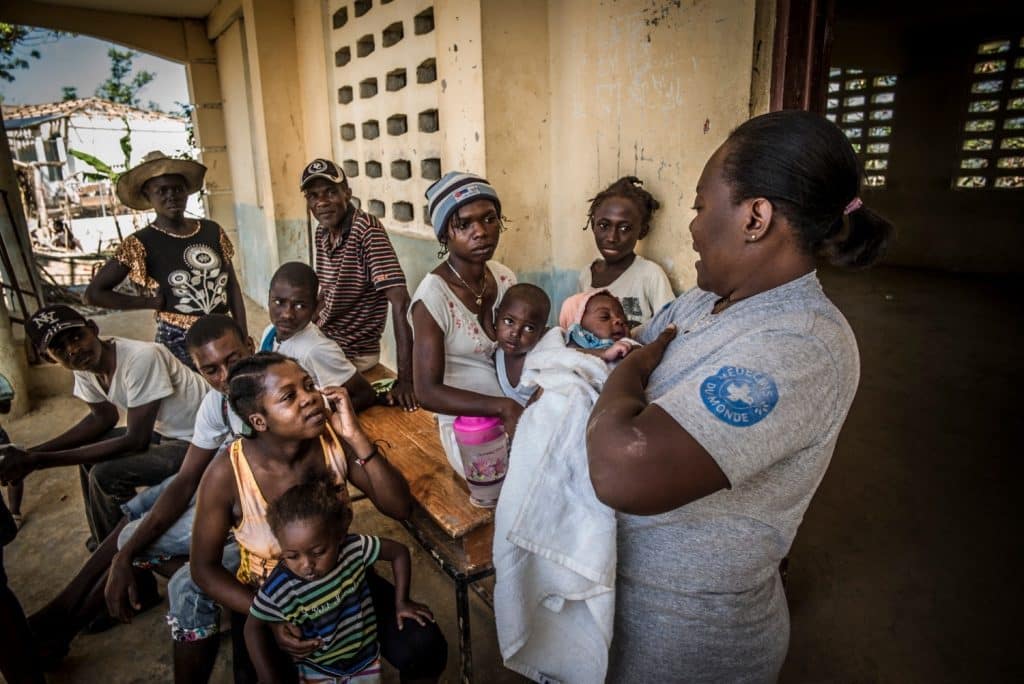
Médecins du Monde works in partnership with national and local actors and manages to establish a bridge between communities and health institutions to strengthen access to care.
people need humanitarian aid
and the needs are complex and urgent. (figure for 2026)
people were displaced
seeking refuge in spontaneous reception sites, leading to overcrowding. (figure for 2024)
cases of rape were recorded
a 49% increase compared to the previous year (figures recorded in 2023)
Haiti is facing a continuous spiral of violence that adds to the multiple health, humanitarian, and security challenges plaguing the country. More than 5,600 people were killed in 2024 due to the surge in violence according to the UN, an increase of over 1,000 people compared to the total number of people killed in 2023.
The public system suffers from chronic underfunding, a shortage of resources, and a critical lack of staff. Currently, only 37% of health facilities in Port-au-Prince are fully operational and remain difficult to access due to insecurity, according to the UN. Over 40,000 health workers have fled the country due to violence, according to the United Nations Integrated Office in Haiti (BINUH). Most private facilities have closed, and many victims cannot afford their services. Healthcare staff, patients, and institutions are being targeted, a situation firmly condemned by Médecins du Monde. The international community’s response remains insufficient to address the urgency of the situation and the collapse of the health system.
Faced with these growing humanitarian needs, Haiti requires increased support from the international community and its partners. In 2023, only 38% of the necessary aid was collected from international partners, which is largely insufficient for this multisectoral humanitarian crisis. Haiti must be able to rely on this assistance to emerge from the complex and multidimensional crisis it is experiencing.
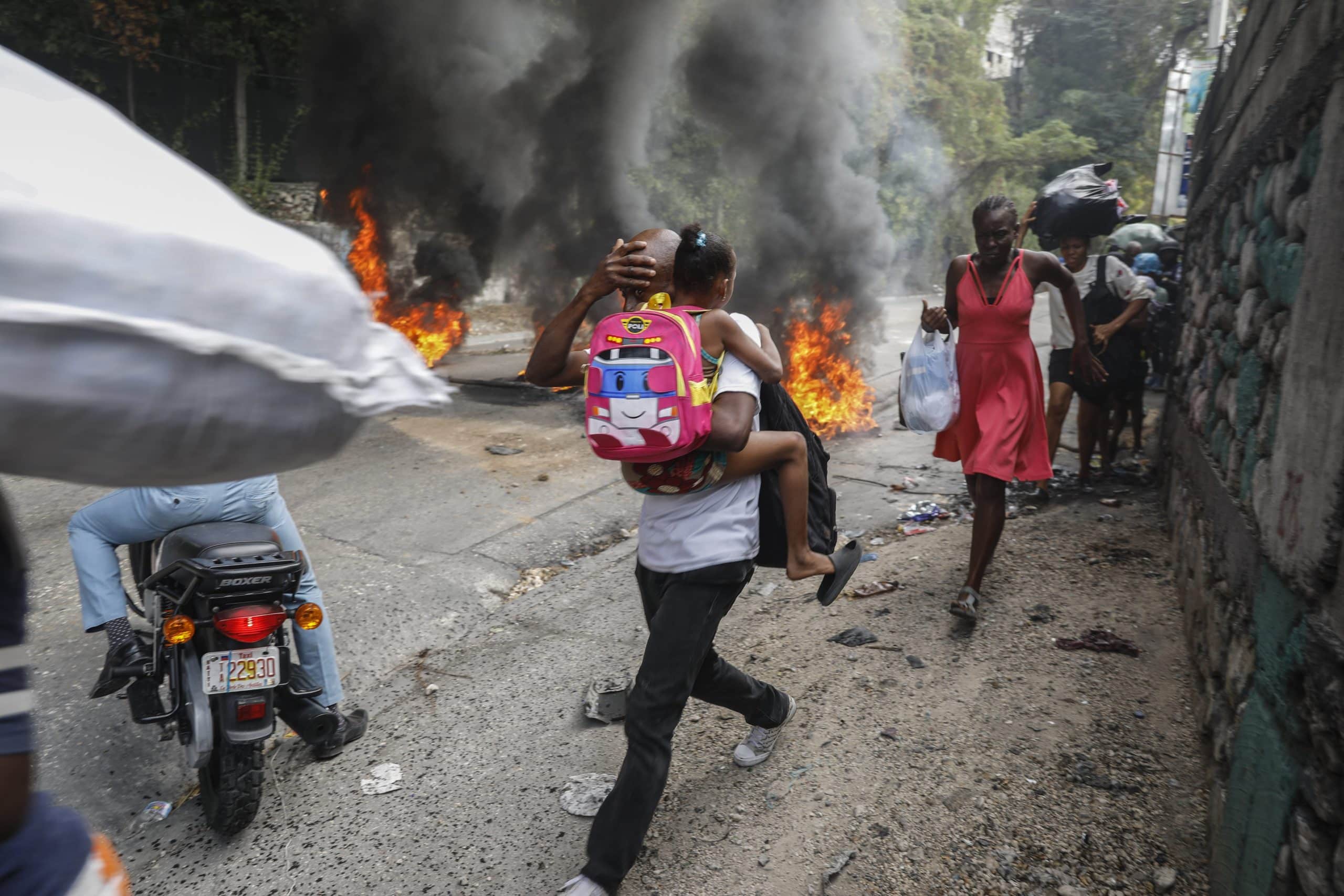
Photo: Canadian Press
Instability has forced hundreds of thousands of people to flee their neighborhoods. In June 2024, a total of 578,074 people were displaced, seeking refuge in spontaneous reception sites, leading to overcrowding.
The current crisis is worsening sexual and reproductive health issues, particularly for women and youth, and exacerbating existing violence. Between January and October 2023, 3,056 cases of rape were recorded, a 49% increase compared to the previous year, primarily perpetrated by armed men and members of criminal gangs (according to the GBV sub-cluster).
"In these makeshift camps, water, hygiene, and sanitation conditions are poor. There is a real fear of epidemic outbreaks in these places. Not to mention the overcrowding, which increases the risk of gender-based violence."
- Head of Mission, MdM Canada
The current and past crises in Haiti are major sources of stress, which can lead to post-traumatic stress symptoms and panic attacks. Experiencing such abnormal situations deeply affects people, whether in Port-au-Prince or in provincial towns.
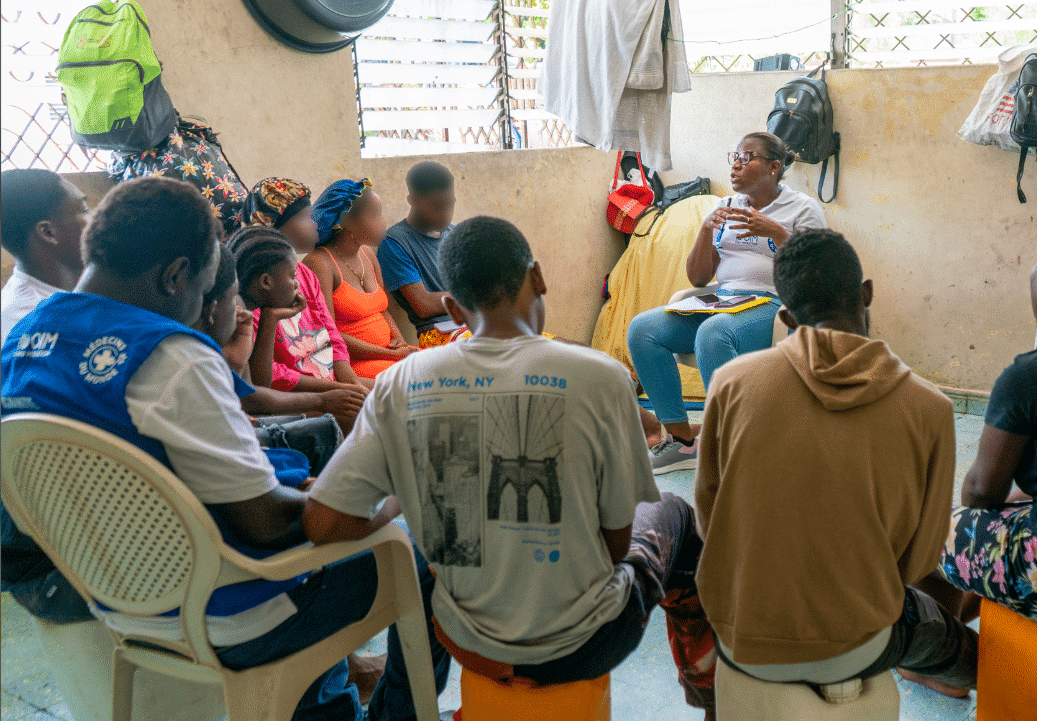
Photo taken during a mental health activity
Present in Haiti since 1996, Médecins du Monde works in partnership with national and local actors and manages to bridge the gap between communities and health institutions to improve access to care. This involvement helps support the health system in the management of pregnant women and malnourished children, in addressing issues related to women’s Sexual and Reproductive Health and Rights – SRHR, and in improving Mental health.
In 2025, humanitarian and psychosocial needs there reached unprecedented levels, even as the operational and financial environment became more complex. Particularly unstable socio-security dynamics, combined with an increasingly bleak funding landscape, exacerbate population vulnerabilities and challenge the continuity of essential interventions.