
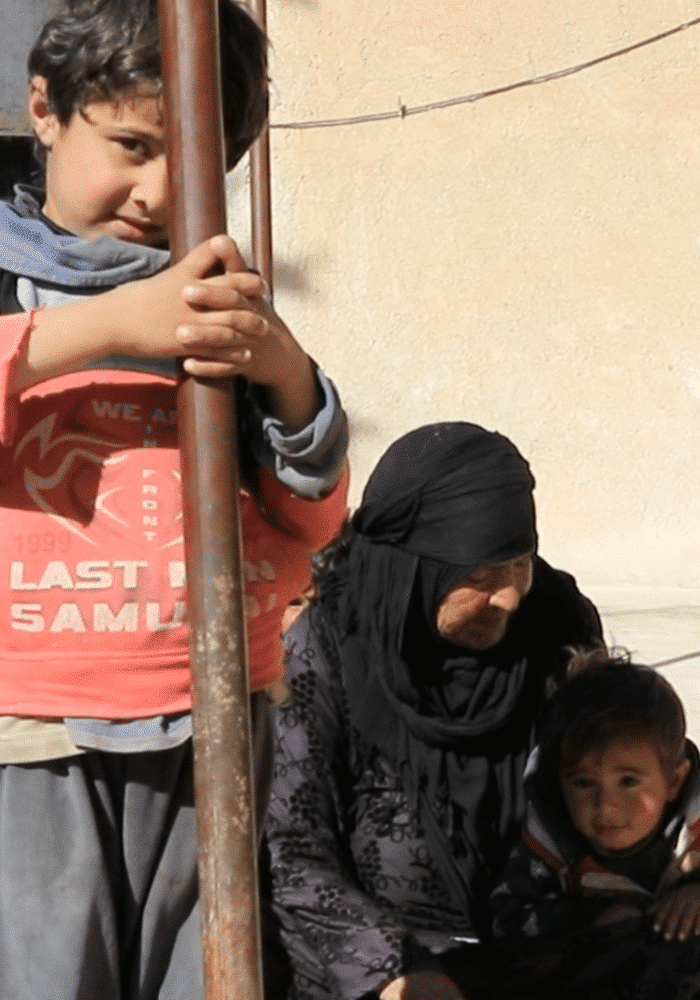
For over 13 years, Syria has been caught in a protracted conflict, exacerbated by epidemics and natural disasters such as earthquakes, significantly amplifying humanitarian needs. Currently, 16.7 million people depend on humanitarian aid, including 7.2 million internally displaced persons. Despite the pressing needs, funding remains insufficient, which intensifies the crisis. Furthermore, a permanent solution for cross-border humanitarian access by the UN to northwest Syria has yet to be established, further hindering the delivery of aid to vulnerable populations. In light of these challenges, it is urgent that donors reassess their approach and allocate funds commensurate with the scale and complexity of the crisis.
It is high time to prioritize sustainable humanitarian activities, particularly early recovery and reconstruction efforts, which go beyond immediate relief and lay the foundations for long-term resilience and a sustainable health system.
Early recovery initiatives provide sustainable solutions that alleviate pressure on emergency aid and reduce dependence on humanitarian assistance.
Rather than merely addressing immediate medical needs with short-term solutions, early recovery efforts prioritize the repair and rehabilitation of medical facilities. This helps communities access health care more easily, making them less vulnerable to epidemics and health emergencies. This is a more sustainable and cost-effective approach in the long term, without the need for costly new construction projects.
Another major challenge facing the Syrian health system is the shortage of qualified medical personnel due to insufficient training of accredited health workers and low salaries, making it difficult to attract external talent and retain current health staff working under constant hardship. Humanitarian interventions often provide short-term solutions that are not sustainable, requiring repeated efforts and additional costs. It is imperative to invest in long-term capacity-building training programs to effectively address this shortage.
Despite donor political challenges, early recovery approaches are essential to ensure the sustainability and effectiveness of interventions over time and provide greater benefits by prioritizing resilience.
In response to these demands, Médecins du Monde calls on donors to realign their strategies and invest in early recovery programs, supporting multi-year and multisectoral approaches with adaptable funding options where possible. This plays a central role in meeting the changing needs of the population and ensuring sustainability.
Médecins du Monde encourages donors to invest in capacity-building programs not only for health workers but also for other actors responsible for managing the health system in Syria. This includes the accreditation of health personnel qualification centers and universities in different regions of the country. Such initiatives are crucial for developing a sustainable health workforce and infrastructure in Syria.
Médecins du Monde calls on all humanitarian actors, NGOs, the UN, and donors to support the implementation of a comprehensive early recovery strategy for Syria, reminding that a sustainable health system is vital for the lives, rights, and dignity of civilian populations and must be distinguished from political considerations.