Improving women's and adolescents' access to health care and strengthening their economic power.
of women reported having experienced at least one form of violence in their lifetime.
people require humanitarian assistance
internal displacements
The Sahel region has been experiencing a tense and persistent security situation for several years. This situation has led to an unprecedented humanitarian crisis, affecting millions of people.
Niger, located in West Africa, is a Sahelian country with a tropical semi-arid climate. Due to its geographical position, Niger is a migration crossroads. Migrants are displaced there, stay temporarily, or leave the country for another destination.
This poverty is intersectional, deeply rural and gendered, with an unemployment rate four times higher among women.
The current food, epidemic, and climate crisis adds an additional burden and highlights the weaknesses of national health and food systems.
Inequalities and risks of sexual and gender-based violence (SGBV) persist, particularly towards vulnerable women and adolescents.
These inequalities notably concern access to education and health, particularly sexual and reproductive health and rights (SRHR), as well as their participation in the economy and decision-making, especially in political spheres.
Agriculture and livestock farming represent the predominant economic activities for women in Niger, but they have limited access to production factors.
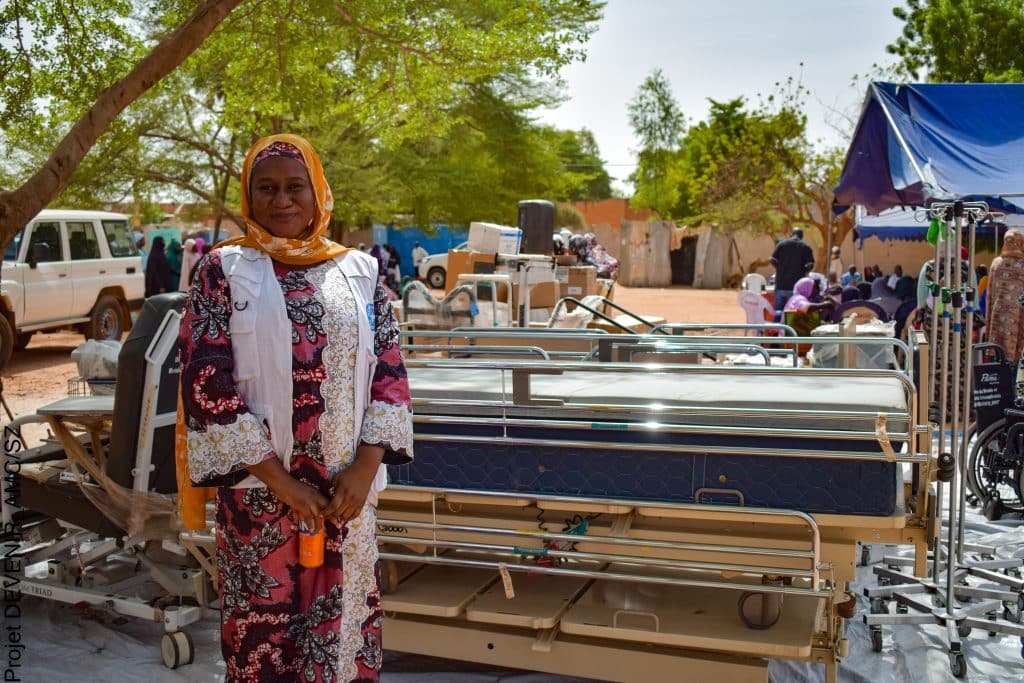
Médecins du Monde has partnered with SOCODEVI, an NGO specializing, among other things, in the economic empowerment of women through cooperatives, to mutually strengthen their actions. This project is also carried out in collaboration with several local stakeholders, such as religious leaders, the health district, and cooperatives, enabling essential community engagement for the project’s success.
This innovative project proposes an approach aimed at improving women’s and adolescents’ access to health care and strengthening their economic power, with the goal of ensuring that lack of resources is no longer an obstacle to their empowerment, informed decision-making, and access to care:
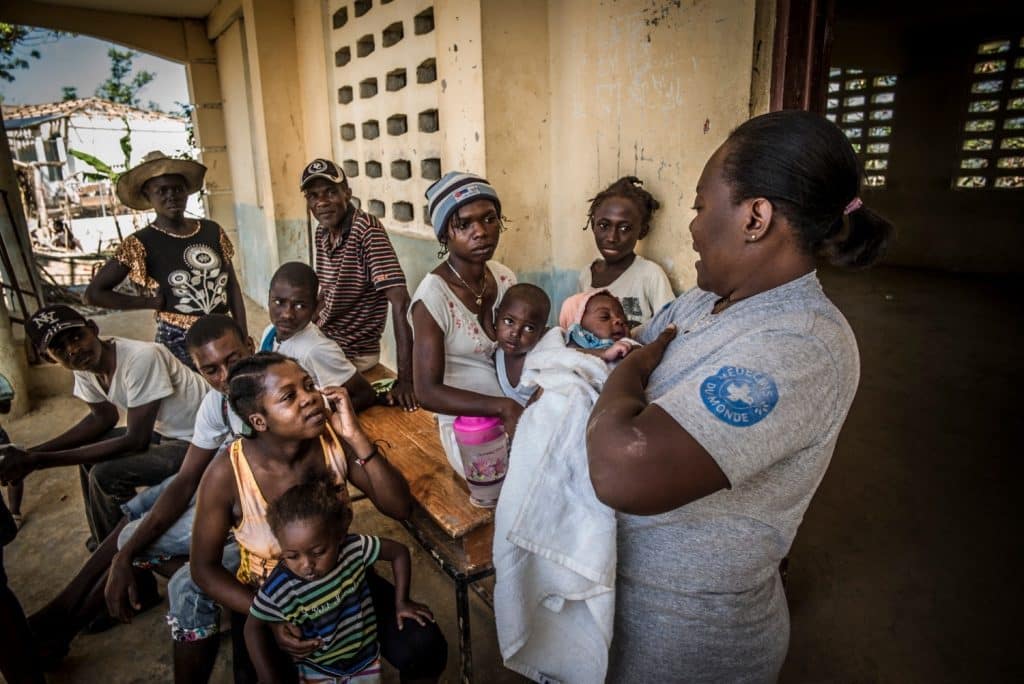
“I use my basic knowledge, my experience as a stay-at-home mother, and my role as a matriarch to draw communities’ attention to the importance of preserving their health by encouraging them to go to the health centre to receive appropriate medical care. Now, women listen to my advice more, and they are aware of the need to protect their health and that of their children.”
— Matriarch trained by the DEVENIR project
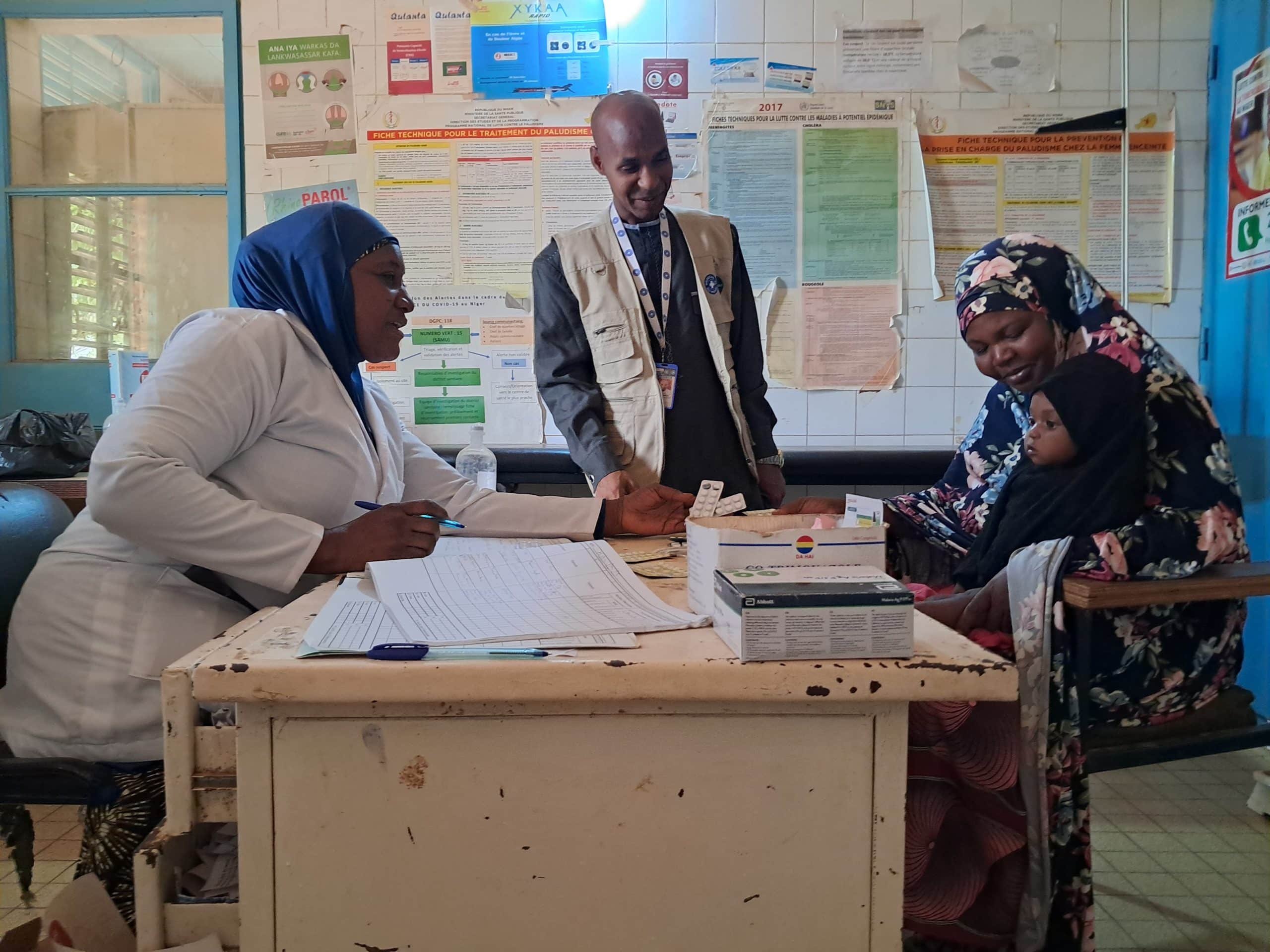
Photo: Médecins du Monde