This project aims to improve access to sexual and reproductive health care for marginalized and vulnerable individuals, particularly adolescent girls and young women aged 10 to 24, in Benin, Burkina Faso, and Haiti.
women have already experienced domestic violence
women make informed decisions alone regarding sexual relations, contraception, and sexual and reproductive health and rights – SRHR
family planning needs for women aged 15 to 49 are not met
Multiple forms of discrimination against women and girls are recorded. There are therefore numerous barriers to accessing health care, including sexual and reproductive health.
Several obstacles hinder their personal ability to make informed decisions and the availability of health services tailored to their needs and realities: lack of information and resources, legal barriers, socio-cultural norms and social influences, lack of training for healthcare providers, etc.
These obstacles create gaps in opportunities and increase vulnerability to health issues, violence, and harmful traditional practices.
Discover the results of the study in Benin
In Benin, early pregnancies and gender-based violence are major public health and human rights issues. The rise in adolescent pregnancies leads to school dropouts, increased exposure to health risks, and lasting limitations on social and economic opportunities.
According to data from the Integrated Data System on the Family, Women, and Children (SIDOFFE-NG), 1,539 cases of early pregnancies were recorded in 2021. Additionally, approximately 49,907 cases of gender-based violence were reported between 2019 and 2022. The most common forms are psychological, physical, and sexual violence.
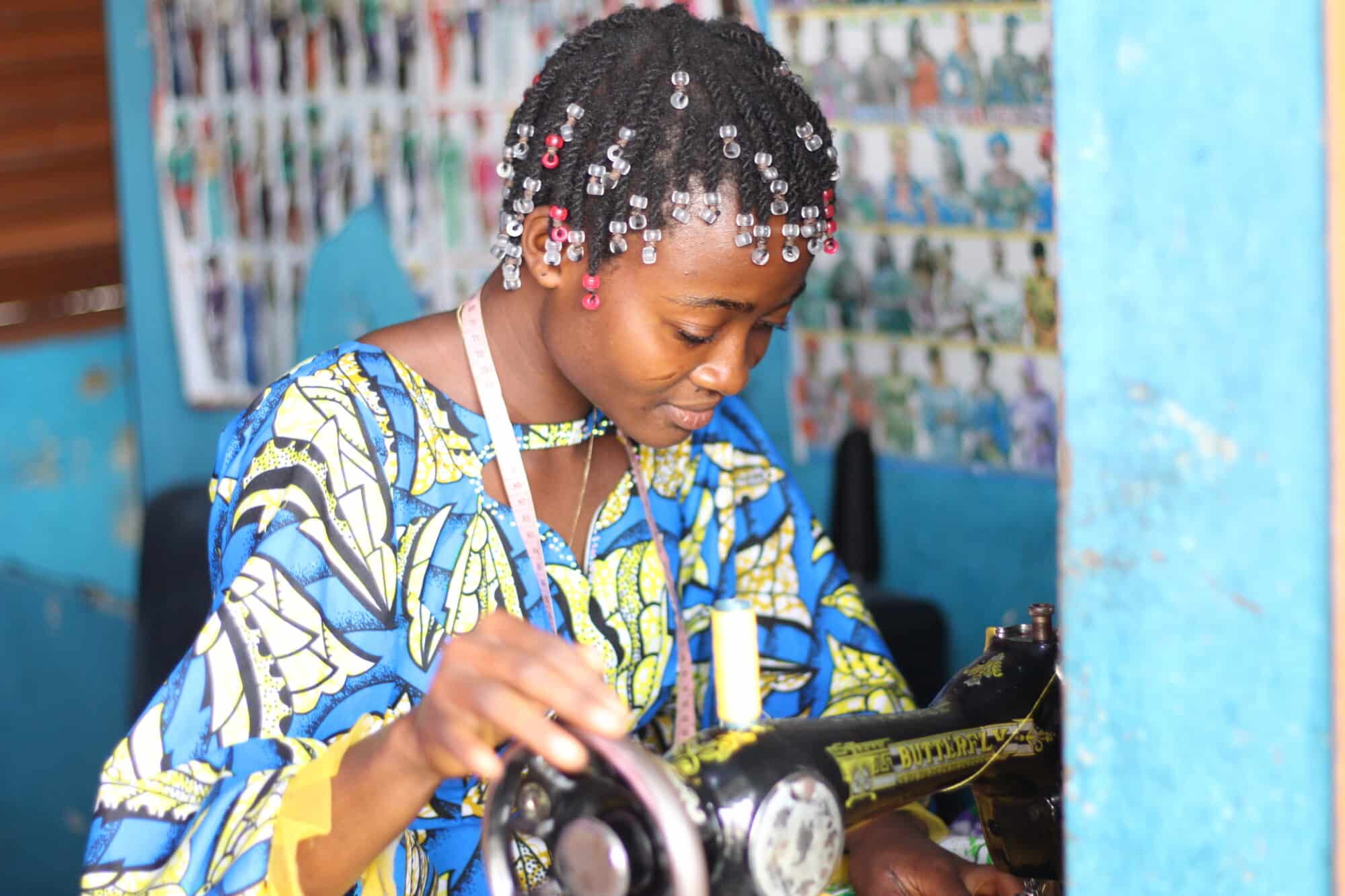
Photo: A young beneficiary of the RESPECT project, in sewing apprenticeship.
Doctors of the World has been operating in Benin since 2006. Its actions are part of an integrated Sexual and Reproductive Health and Rights (SRHR) approach, combined with the prevention and holistic care for gender-based violence (GBV).
In 2022, the implementation of the RESPECT project aims to increase the enjoyment of rights related to sexual and reproductive health for people in situations of vulnerability and marginality, particularly adolescent girls and young women aged 10 to 24.
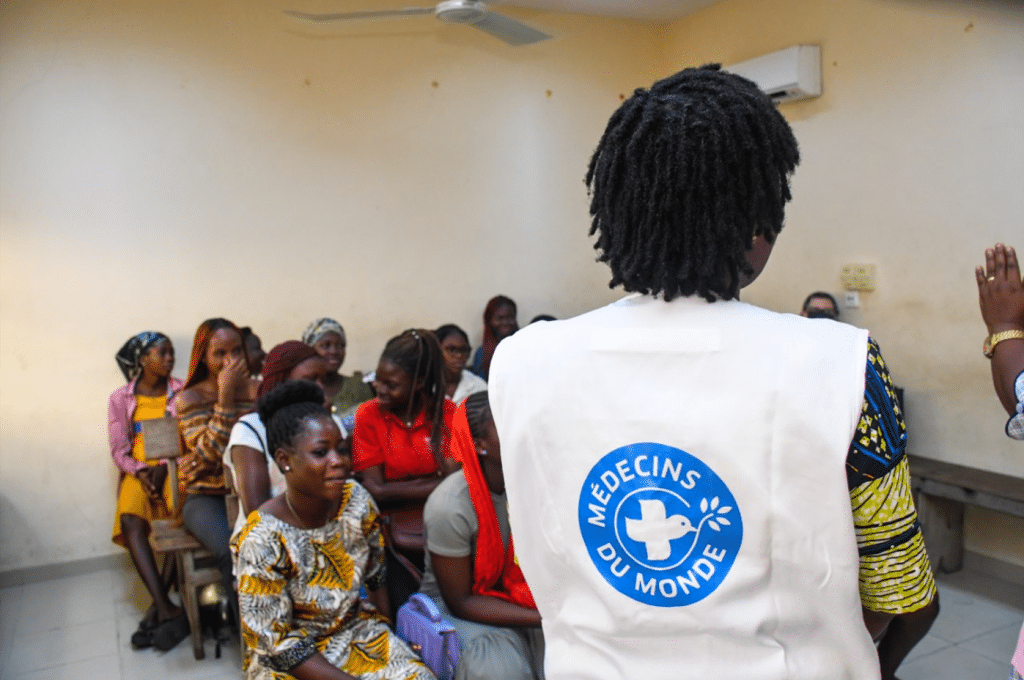
Educational talks are organized to improve the knowledge of adolescents and young people on sexual and reproductive health. They aim to facilitate access to appropriate health services, support informed decision-making, and reduce risks linked to lack of information and economic vulnerability.
Information sessions are conducted on referral pathways and available services for the care of victims and survivors of GBV. The approach is victim-centered, with medical, psychosocial, and legal support aimed at recovery and empowerment.
Awareness campaigns are conducted within communities, involving parents, religious, traditional, and community leaders. They promote parent-child dialogue, the recognition of adolescents’ sexual and reproductive rights, and the fight against early marriage and other harmful practices.
Doctors of the World carries out advocacy activities, often in synergy with other civil society organizations, targeting authorities and decision-makers at various levels. The goal is to strengthen the protection of victims, improve access to care and support, and promote the operationalization of the legal and institutional framework for SRHR.