
Despair as a reaction to the current situation
The conflict in Gaza has had serious repercussions on the population’s mental health, marked by an increase in cases of psychological trauma. The endless nature of the conflict has led to a widespread sense of despair, which has undermined the community’s prospects for the future. This reaction is not simply an emotional response, but a significant factor that can negatively affect community engagement, the sense of purpose in life, and overall health.
The inhabitants of Gaza who are currently experiencing the bombings live in great fear of losing their lives, especially children and young people. In addition, it should be remembered that the difficulties in leading a normal life, with access to water, food, electricity, etc., also affect those who, subjected to a total blockade, do not have access to the basic services necessary for their survival. This leads to high levels of stress, community tension, and frustration.
Symptoms of the conflict
Due to this escalation of violence, the majority of the population will suffer long-term psychological effects. They will experience significant emotional distress that will not disappear when the violence ends, but some symptoms or physical, social, or emotional effects will persist for some time. In addition, a small percentage of people will likely develop more serious mental disorders that will require specialized care.
Emotional and behavioral changes stand out, especially among minors, as well as somatization (i.e., the unconscious transformation of psychological problems into symptoms that affect the body), emotional distress, and physiological problems such as sleep and eating disorders and regressions in minors, such as bedwetting.
The extreme violence to which these people are subjected, witnessing atrocities, causes them to experience intense trauma, and the restriction of movement creates significant stress, particularly among children. In many cases, their mental health suffers a grief reaction following the loss of loved ones and the multiple other losses they endure (loss of their home, livelihood, health, or functionality due to disability, etc.). Since October 7, over 20,000 people have been killed.
An immediate and permanent ceasefire would help prevent major symptoms that could lead to an intensification of emotional distress over time, or even more serious mental disorders such as anxiety, depression, and post-traumatic stress syndrome, among others. This is why Médecins du Monde implements psychosocial support activities aimed at promoting feelings of well-being, safety, autonomy, connection with the social support network, and hope among people, as a key strategy to mitigate the immediate psychological repercussions and their long-term effects.
How to work on mental health?
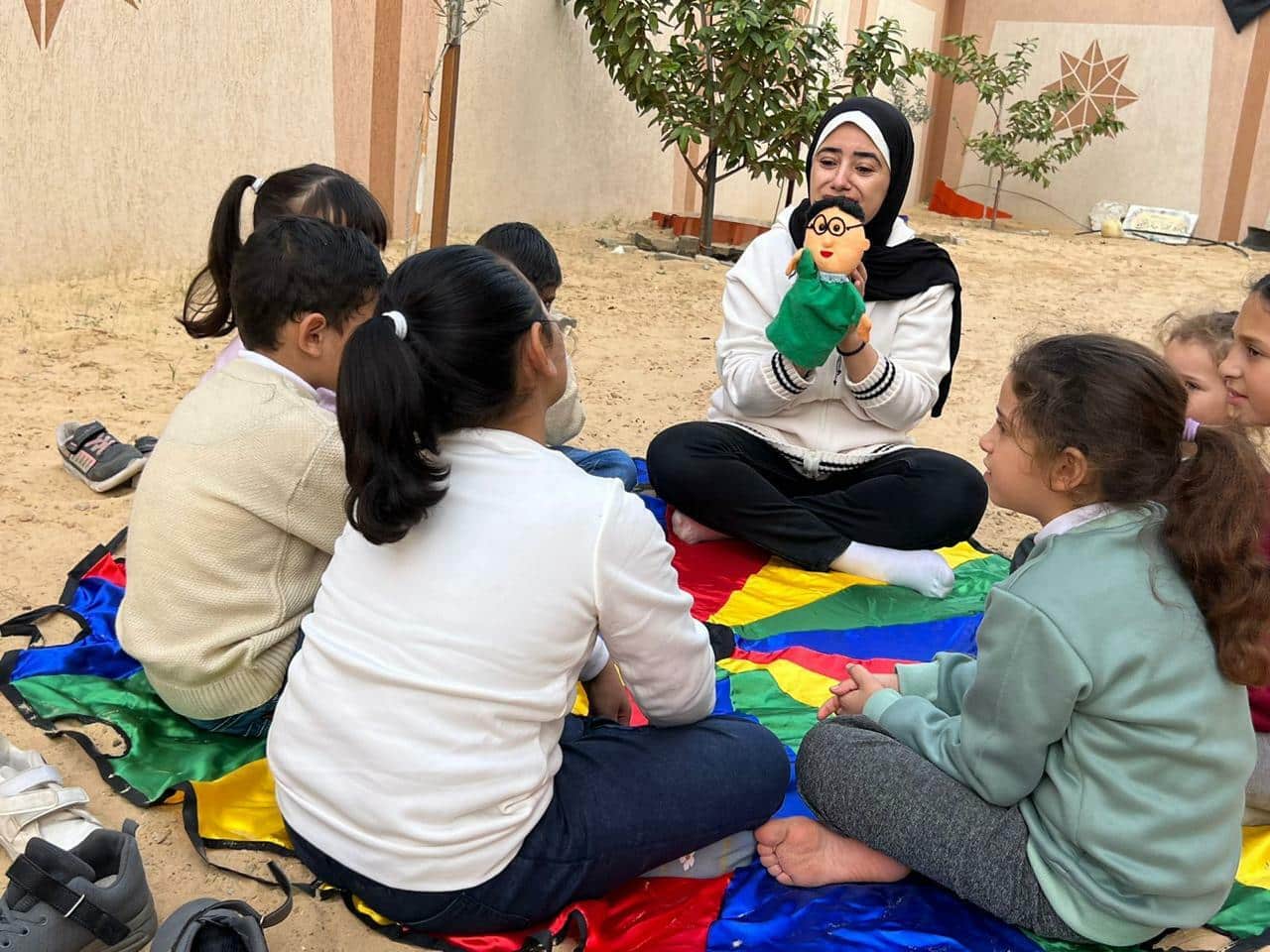
Médecins du Monde works in Gaza with group psychosocial support sessions for children and adolescents. These sessions, which use playful methodologies and artistic expression, provide people with a safe and reliable space for the identification, expression, and understanding of difficult emotions associated with this extreme situation. The humanitarian organization works on peer support, normalizing emotions, ventilation, and encouraging positive coping mechanisms. Resilience work and coping mechanisms are essential.
“However, it is important to emphasize that, as long as it is not possible to protect and restore the fundamental rights of the inhabitants of Gaza, these activities can only temporarily alleviate the deep emotional and psychological wounds caused by this conflict,” explains Carmen González, mental health officer for Médecins du Monde in the occupied Palestinian territories.
“Much remains to be done to promote and ensure the recovery of those affected. To attempt to restore psychological well-being, it is urgent to restore the eroded rights in all areas of life.”
The art of expressing emotions
The mental health and psychosocial support team of Médecins du Monde in Gaza conducts basic psychosocial support activities for children, adolescents, and adults: psychological first aid, counseling, and/or individual support. The team members, Palestinians, work with their immediate communities, in shelters where these people have had to flee.
Colors, brushes, hands, and art supplies are good allies in these psychosocial sessions, where children find a small refuge to escape the difficult situation they are going through, to express their emotions, and to find understanding from professionals and children their age.