
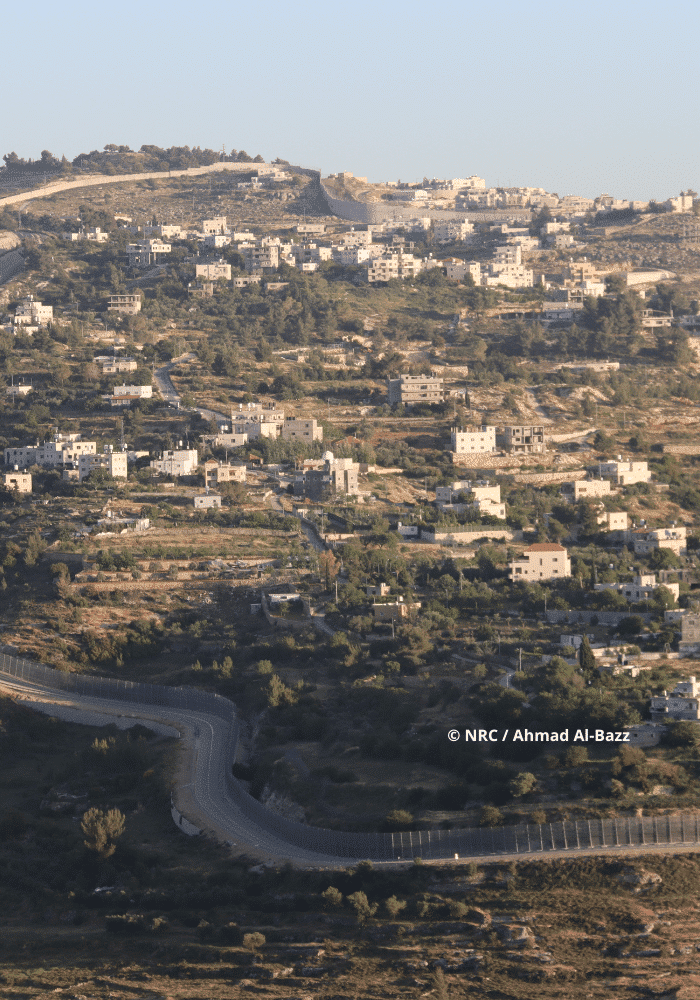
In a new case study titled « Health Walled In: How Israeli Military Barriers Block Access to Health for Palestinian Villages », Médecins du Monde analyzed the example of the Palestinian village of al-Walaja to highlight the growing issue of attacks on public services in the occupied West Bank.
Surrounded by the wall built by Israel in the early 2000s, the village of al-Walaja has faced a sharp increase in Israeli military blockades imposed on the only road connecting it to the outside world since October 2023. To access vital care, Palestinians have no choice but to attempt to cross an Israeli military checkpoint.
« People feel like they are living in a prison because they cannot leave the village without passing through numerous Israeli checkpoints », states a doctor from the al-Walaja clinic in the report. Based on testimonies from village residents and healthcare professionals, the case study paints an alarming picture: patients with chronic conditions and psychiatric disorders are deprived of medication, parents are unable to get their children treated at the hospital, and women are forced to leave the village prematurely to give birth.
Across the occupied Palestinian territory, the right to health is under threat. The ongoing military blockade in the West Bank demands urgent attention, and the consequences are devastating in terms of access to healthcare for Palestinian communities. The situation in the region risks deteriorating further if no action is taken.
PRESS CONTACT
Mélissa Cabana
Director of Communications and Mobilization
Cell: 514 799-8985
Email: melissa.cabana@medecinsdumonde.ca