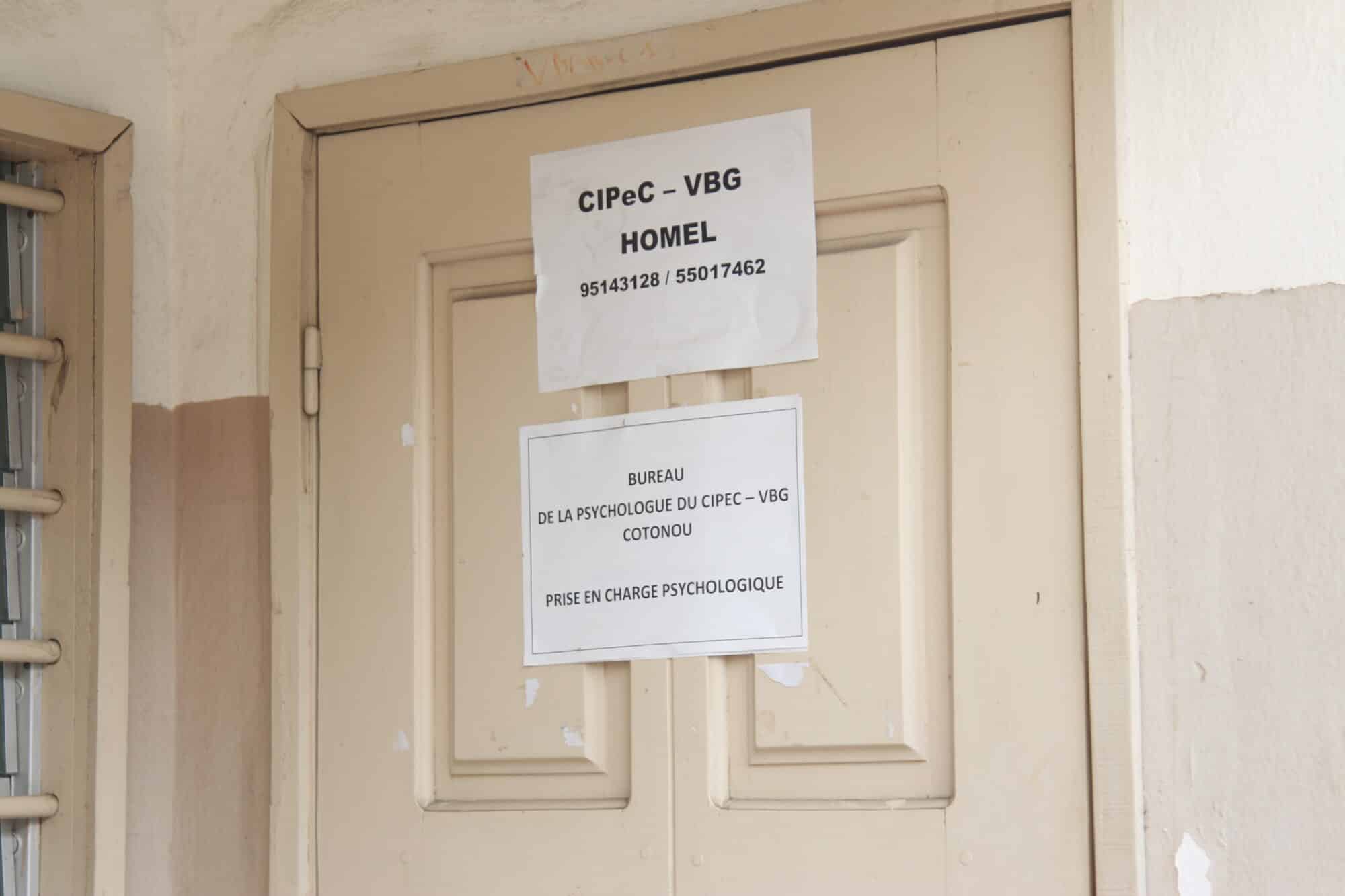
The panellists drew a blunt conclusion: in several countries, obtaining a medical certificate remains one of the main breaking points between survivors of gender-based violence (GBV) and access to justice.
In situations of crisis or conflict, women and girls remain the first to be affected by this violence. Rape is regularly used as a weapon of war, and this grave human rights violation all too often goes unpunished. In the face of this reality, holistic care — medical, psychological, legal and social — is essential. The medical certificate is a cornerstone of that care.
A document at the intersection of health and justice
A medical certificate is a written statement drawn up by an authorized health professional, who is accountable for its contents. It records the general condition of the person examined, visible injuries, reported symptoms and the physical, psychological or functional consequences observed.
This document plays a pivotal role: it facilitates access to psychological support and reintegration services while also serving, in legal proceedings, as proof of the material element of the offence — a particularly critical issue in cases of rape. Without it, a complaint may simply not be recorded, or the case may be dismissed.
Yet while the importance of the medical certificate is widely recognized, access to it remains deeply unequal depending on the context.
Obstacles at every step of the way
FOR SURVIVORS, THE BARRIERS ARE MANY.
In Sudan, obtaining a certificate is conditional on a non-standardized police form, which creates significant inequities. Family and community pressure, as well as fear of reprisals or stigma, also deter people from initiating the process.
On top of this, there are major geographic barriers: in Burkina Faso, only doctors and forensic physicians can issue a certificate, which makes access difficult in remote or insecure areas — a similar reality in Haiti, where many health centres have no authorized physician.
Financially, even when free access is provided for by law, as in Burkina Faso since June 2024, reimbursement mechanisms that are often not operational limit the real impact of this measure.
FOR HEALTH PROFESSIONALS, THE RESPONSIBILITY THAT COMES WITH ISSUING A CERTIFICATE IS NOT NEUTRAL.
In Darfur, many frontline professionals lack the training needed to carry out the required examinations, which makes them reluctant to issue these documents. Fear of court summonses or reprisals is another real obstacle, as these entail travel costs and lost income for the provider, in addition to the risk of facing political pressure locally.
As for free-of-charge mechanisms, which are meant to protect survivors, they sometimes backfire on caregivers: in Benin, unclear reimbursement procedures leave doctors, judges and police officers uncertain about which documents to provide and which steps to follow — a situation that discourages free issuance and ultimately shifts the cost back onto survivors.
WHEN IT COMES TO LEGAL RECOGNITION, EVEN AN ISSUED CERTIFICATE GUARANTEES NOTHING.
In Haiti, some courts still refuse to recognize certificates issued by non-public health facilities, despite a circular providing for their acceptance. Bureaucratic delays can also reduce the probative value of a certificate obtained late, as observable physiological damage fades over time.
Finally, the interpretation of medical content by legal actors remains uneven: misunderstood terminology can lead to errors, or even to proceedings being dropped.
Concrete solutions
During the discussions, the panellists identified several levers for action, some already under way and others to be strengthened:
- Advocacy with ministries of Health and Justice to make free-of-charge and reimbursement mechanisms effective, to secure recognition of certificates issued by non-public facilities, and to expand — within a clear framework — the categories of professionals authorized to issue these documents.
- Awareness-raising and training for police, legal actors and healthcare staff, in particular to reiterate the principle of free access and to clarify that issuing a certificate does not automatically lead to legal proceedings.
- Information for survivors, through the creation of reception points within protection services and health facilities, in order to reduce stigma and the fear of reporting violence.
- Intersectoral dialogue between the health and justice sectors, to foster a mutual understanding of each sector’s practices and terminology.
For all of this to continue, organizations need adequate funding. If you support our sexual and reproductive health initiatives, you can send a message to the Government of Canada urging it not to cut funding for international assistance programs by signing our manifesto.
Next steps
The organizations that gathered for this first conference will meet again in the fall to explore these avenues further in workshops and define concrete actions adapted to each of their areas of intervention. Médecins du Monde and CanWaCH will continue to document these issues and keep their partners informed of this work via their LinkedIn accounts.
This article is based on the discussions at the June 25, 2026 conference, organized by MdM Canada and CanWaCH, with the participation of Save the Children and Avocats sans frontières Canada. See the webinar summary.