people need humanitarian aid.
internally displaced persons
Syrians and Palestinians have found refuge in Lebanon
Lebanon is a country that remains trapped in regional wars: the conflict between the Israeli army and neighbouring countries (Palestine, Iran and Lebanon itself), the war in Syria, and Israeli-American tensions with Iran. In addition, since the global health crisis and the devastating explosion at the port of Beirut, the country has been experiencing an unprecedented economic crisis.
Since the events of 7 October 2023 and the start of the ground offensive launched by Israel in southern Lebanon in September 2024, the country has been facing the most severe crisis it has known since 2006.
In 2024, the war in Lebanon caused the displacement of over one million people, with massive movements in the south of the country, the Bekaa Valley and the southern suburbs of Beirut.
The resumption of hostilities has deeply worsened the country’s Vulnerability. One-fifth of the population has been displaced, while the social fabric is weakening.
Since the Israeli military escalation on 2 March 2026, Lebanon has had over 1.2 million internally displaced persons, the largest displacement of population since the 2024 war.
In 2025, severe Psychosocial consequences were observed among displaced populations. 72% of children suffered from anxiety and 62% from depressive symptoms.
Several regions of Lebanon have been bombed, particularly the south of the country, the southern suburbs of Beirut and the Bekaa Valley.
Essential infrastructure, including hospitals, water facilities and schools, has been damaged or destroyed, disrupting access to vital services. The closure of 47 health centres and 5 hospitals in the south and the southern suburbs of Beirut is increasing the pressure on an already overstretched healthcare system. Difficulties in supplying electricity and fuel are further undermining the operation of hospitals and the care of victims.
According to UNHCR, Lebanon is one of the countries hosting the largest number of Refugees per capita and per square kilometre in the world. The presence of the Syrian population who have taken refuge there and the massive influx of internally displaced Lebanese people are exacerbating already deep humanitarian Vulnerabilities. Before the start of the crisis, around 961,000 people were already facing acute food insecurity.
Nearly a month after the start of the clashes, the Lebanese Ministry of Public Health reported 26 attacks on healthcare facilities, resulting in the death of 18 healthcare workers and injuring 48 others.
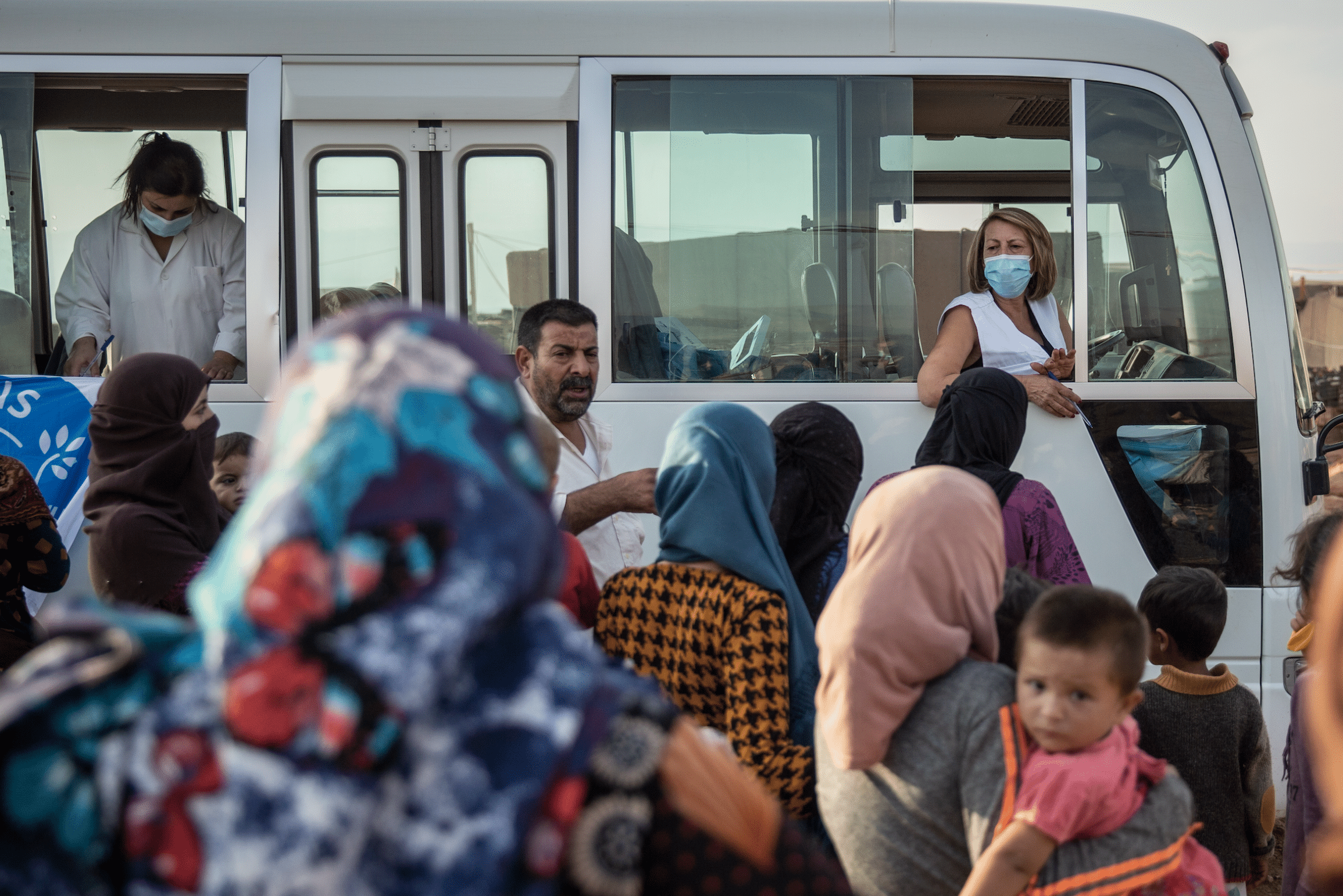
Syrian refugee persons queue in front of a Médecins du Monde mobile clinic
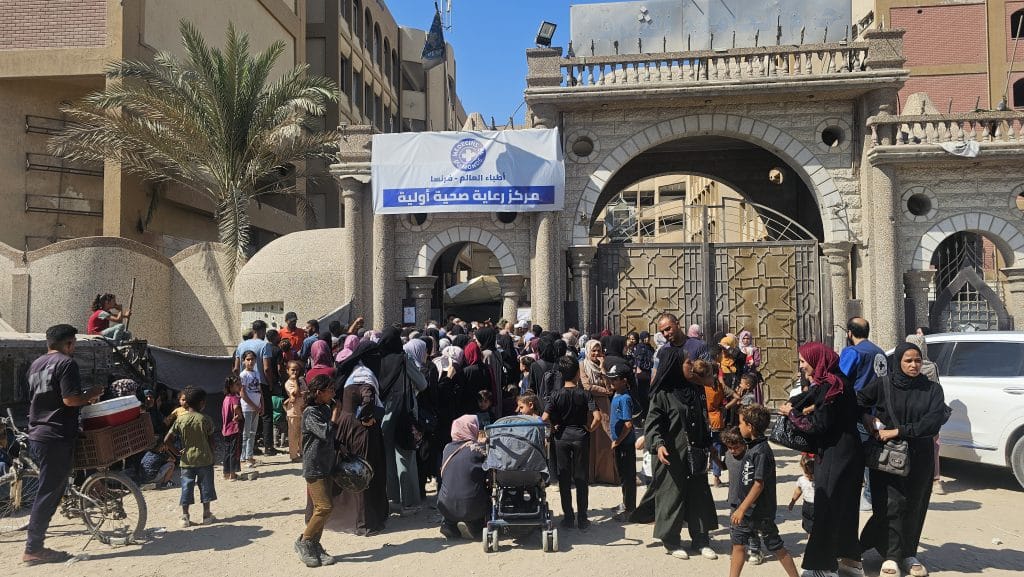
Doctors of the World has been working in Lebanon since 1990. Since the start of the conflict in March 2026, the organisation has strengthened its support to health centres in the governorates of Békaa, Beirut, Mount Lebanon, and Baalbek-Hermel by ensuring access to quality health services for displaced and vulnerable host communities. Doctors of the World has also supported Rafik Hariri University Hospital, one of the hospitals serving the most vulnerable populations.
Doctors of the World, in partnership with local organisations, supports twelve health centres by providing medicines and training for professionals. Three mobile medical units and rapid response teams have also been deployed by the organisation to provide emergency medical care in areas with a high concentration of refugees. In 2025, 55,987 primary health care consultations were provided.
Finally, teams of volunteers, including refugees, are accompanied and supported, and 207 people were trained in 2025.
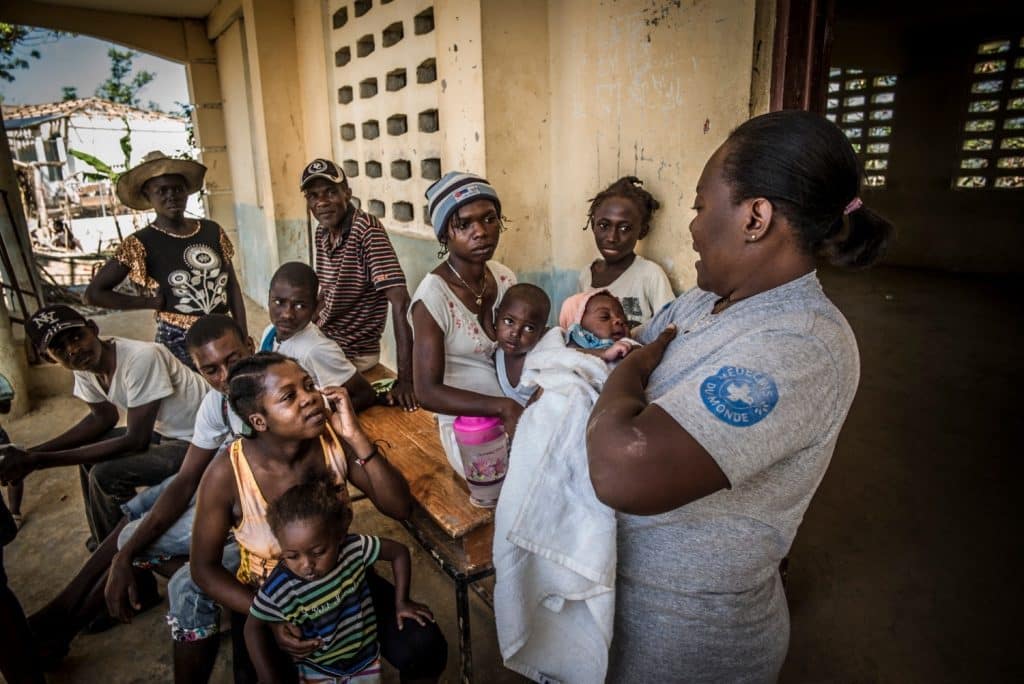
To reduce the number of preventable deaths and improve the overall well-being of women and adolescents, Doctors of the World works with local organisations and Rafik Hariri University Hospital to offer sexual and reproductive health services in primary care centres.
This includes screening for sexually transmitted infections, family planning, and prenatal and postnatal care. The aim is to improve access, quality, and inclusivity of sexual and reproductive health services for vulnerable women and adolescents, including those with disabilities.
Doctors of the World supports and works with its local partners, including the Skoun association, to address the psychological suffering of communities living in Lebanon. Mental health consultations and therapeutic follow-up are thus provided in primary care centres – cases of severe mental disorders being referred to specialised services. In addition, specialised and free services are provided to people suffering from addictions.
Doctors of the World also organises awareness-raising sessions for local populations, to reduce discrimination against people suffering from psychological disorders and to provide them with information on available services near their place of residence.
Finally, association members, including community volunteers and social workers, receive training on basic psychosocial support techniques, stress management, and identifying cases requiring specialised follow-up.