Support for primary health care, sexual and reproductive health and mental health for populations on the move or affected by the migration crisis and emergency response following the earthquakes.
7,9M
people need urgent humanitarian aid
or (more than a quarter of the population)
7M
people affected by the 2026 earthquakes
50k
people missing
following the double earthquake
the humanitarian situation in Venezuela
Venezuela is experiencing a complex humanitarian crisis, which is increasing the need for humanitarian aid. Among the most urgent challenges are child malnutrition, maternal and child mortality, as well as epidemics of preventable diseases. The international community has called for intensified efforts to address these basic needs, such as food distribution, health care and infrastructure reconstruction.
Hyperinflation, international sanctions, poverty, undernutrition and malnutrition, the consequences of population mobility, instability in services such as electricity, water and fuel shortages, increased morbidity and mortality, political struggles, insecurity, and population displacement due to border conflicts and the presence of non-state armed groups continue to affect the population’s quality of life.
In addition, the risk of environmental disasters,including floods, earthquakes and landslides in various regions of the country, is worsening the situation and compromising the population’s resilience. Public health, education, communication and transport services are operating with limitations.
The existence of illegal economies, extortion, drug trafficking and human trafficking are persistent problems that further affect the country’s stability.
Earthquake in Venezuela
On June 24, 2026, two powerful earthquakes measuring 7.2 and 7.5 on the Richter scale struck northern Venezuela just 39 seconds apart. These earthquakes caused numerous deaths and injuries, as well as significant damage to homes, infrastructure and essential services. The capital, Caracas, and the coastal city of La Guaira were among the hardest-hit areas.
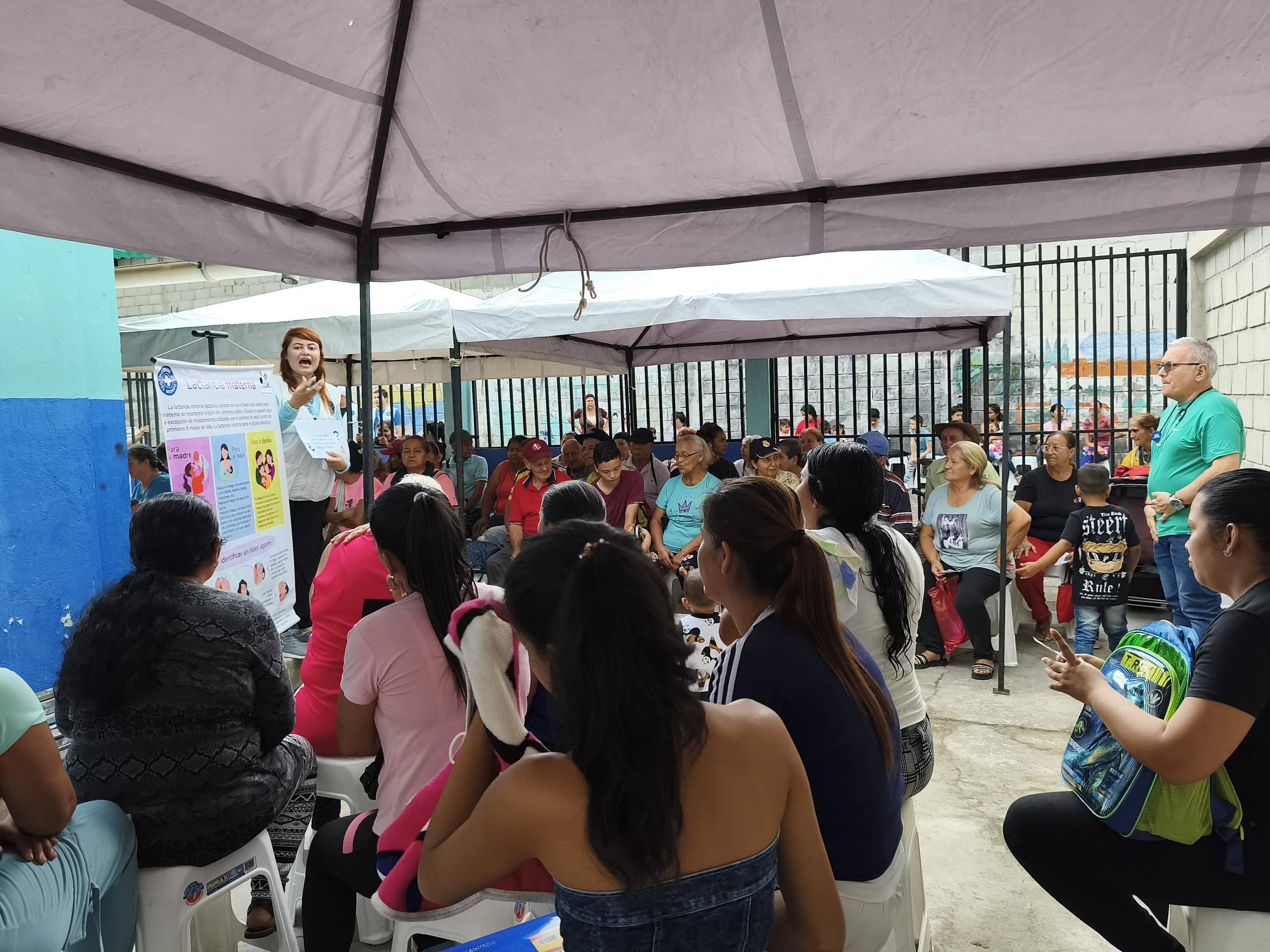
Sexual and reproductive health workshop in Tachira.
Doctors of the World’s response
Since 2019, a strategy of collaboration with the public health system has been implemented to strengthen it in the states of Táchira, Apure and Sucre. This initiative promotes comprehensive, quality health care, covering areas such as primary care, donations of medicines and supplies, sexual and reproductive health, nutrition, mental health and psychosocial support. Actions are also taken to prevent gender-based violence and improve water, sanitation and hygiene (WASH) services, as well as to combat vector-borne diseases. The response is based on a participatory approach aimed at identifying specific needs differentiated by age and sex.
paediatric consultations for children and adolescents
gynaecological services
tailored information for different audiences on gender-based violence (GBV)
support for GBV survivors to access care
training for health care providers
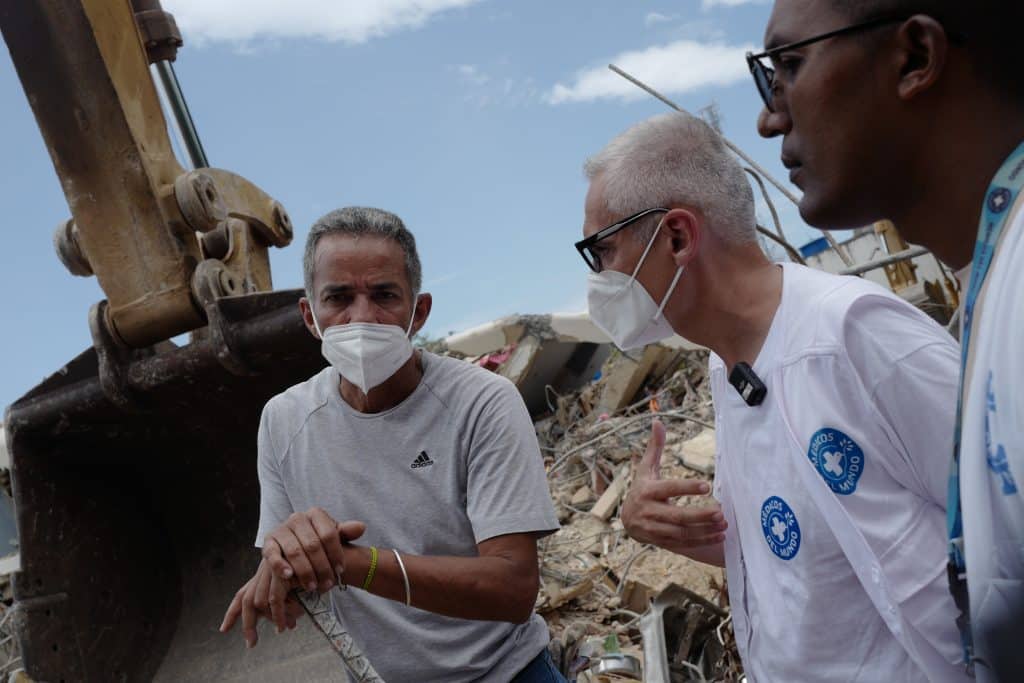
emergency response to the earthquake
Doctors of the World immediately activated its response mechanism, mobilizing its teams in Venezuela and working in coordination with the authorities, local organizations, humanitarian actors, international organizations and UN agencies to assess the impact of the earthquake and support the affected population.