
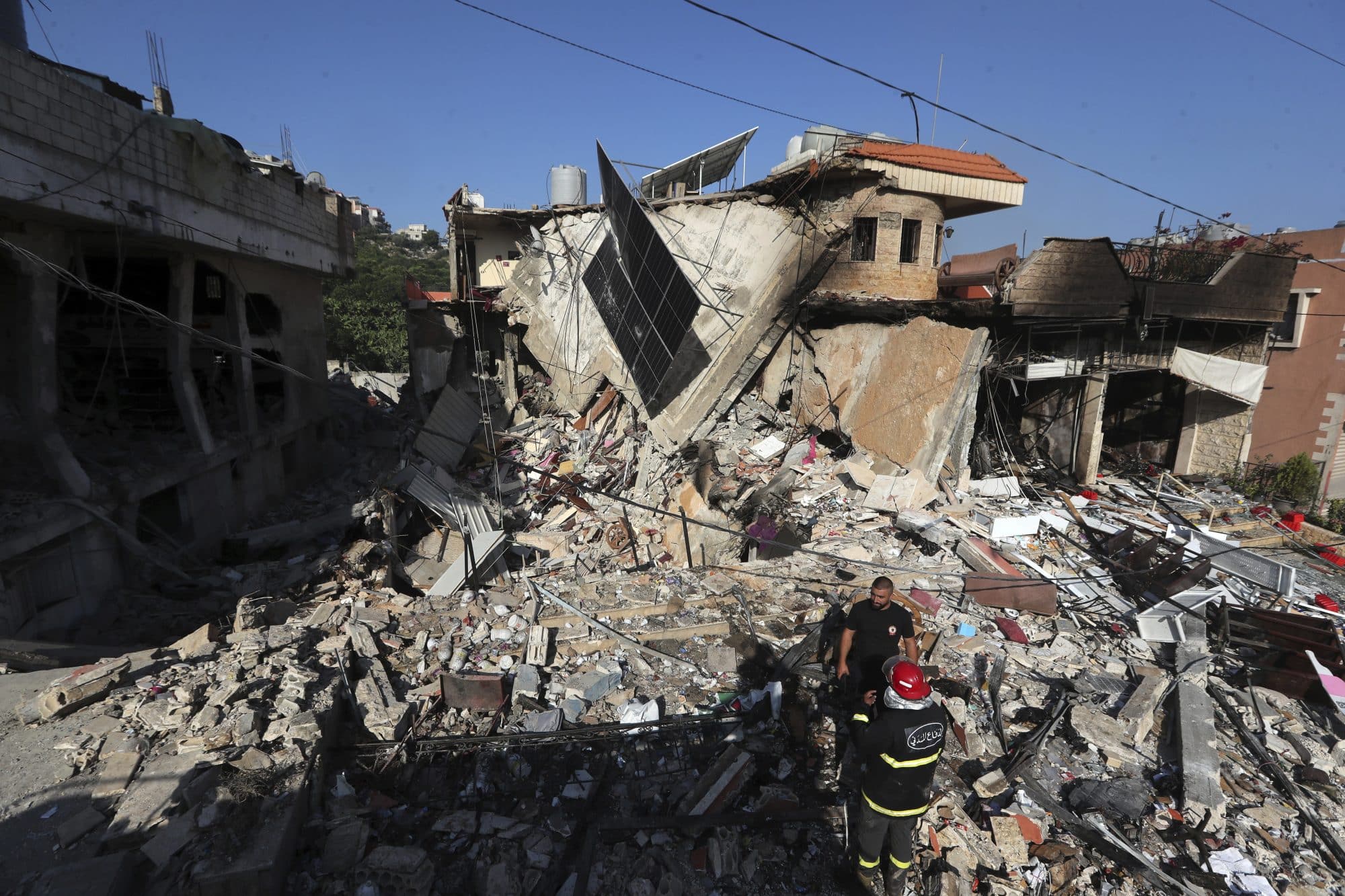
“We are deeply concerned about the escalation of violence in Lebanon, which further threatens the lives of civilians,” says Richard Morgan, Executive Director of the Humanitarian Coalition. “Several of our member organizations have been working in Lebanon for decades, providing essentials such as food, water, shelter, medicine, and health services. However, this crisis has taken on catastrophic dimensions, and the resulting humanitarian needs are enormous. That is why we are calling on Canadians to respond to our appeal and help us provide vital assistance to children and families.”
The Humanitarian Coalition is calling for an immediate ceasefire while urging the parties to the conflict to respect international humanitarian law, protect civilian lives, and allow humanitarian aid to reach those in need as quickly as possible. The Coalition also notes that there are currently no unmet humanitarian needs in Israel requiring its involvement, but it will continue to monitor the situation.
Humanitarian Situation in Lebanon
- To date, 2,083 people have lost their lives, 9,869 have been injured (including 690 children), and an estimated one million people have been directly affected or displaced.
- The intense military offensive has led to mass displacement, primarily from southern Lebanon and the densely populated southern suburbs of Beirut.
- The entire population is concerned for its safety and suffering psychological impacts due to the constant presence of drones and military aircraft.
- Most displaced individuals require urgent assistance after leaving their homes in haste without essential daily necessities.
- The 978 shelters—schools, gymnasiums, and cultural centers hastily converted into accommodation facilities—are nearly full. Many displaced individuals are sleeping in the streets and parks of Beirut, and their conditions are only worsening. Additionally, the approaching cold weather threatens to further complicate shelter issues.
- Displacements from Lebanon to Syria have also been reported. An estimated 285,000 people have moved to Syria since September 23. The majority of these are women, children, and persons with disabilities. Among those heading to Syria, approximately 30% are Lebanese, and 70% are Syrians returning to their country. An estimated 60% of these individuals are children.
- Before the current crisis, poverty in Lebanon had more than tripled over the past decade, reaching 44% of the total population.
- Lebanon (population 5.4 million) hosts the highest number of refugees per capita (1.5 million). However, 9 out of 10 refugees live in extreme poverty.
Response by Humanitarian Coalition Members
Our members have been present in Lebanon for decades and intervened there in 2020 following the Beirut explosions. Today, they are implementing the following preliminary interventions:
- Emergency food aid: They are addressing food shortages by providing food kits containing meat, dates, bread, etc. They are also facilitating access to drinking water through the distribution of bottled water and water tankers.
- Shelter and warmth: They are distributing pillows, blankets, and other essential items.
- Emergency kits: They are providing hygiene kits, dignity kits, and menstrual hygiene kits.
- Medical support: They are assisting health clinics and mobile units in delivering emergency services, maternal and newborn care, vaccines, mobility aids, emergency rehabilitation, and psychological first aid and support.
- Protection: They are offering services to prevent gender-based violence and sexual exploitation. They are also setting up child protection areas and promoting family reunification.
- Emergency financial assistance: They are distributing aid that allows families to quickly and appropriately meet their needs while supporting local markets.
The Humanitarian Coalition brings together 12 leading humanitarian organizations to provide Canadians with a simple and effective way to support international humanitarian emergencies. Its members are: Action Against Hunger, Canadian Foodgrains Bank, Canadian Lutheran World Relief, CARE Canada, Doctors of the World, Humanity & Inclusion Canada, Islamic Relief Canada, Oxfam Canada, Oxfam-Québec, Plan International Canada, Save the Children Canada, and World Vision Canada.
MEDIA CONTACT:
Mélissa Cabana, Director of Communications
Doctors of the World Canada
melissa.cabana@medecinsdumonde.ca
514-799-8985
Photo: AP Photo/Mohammed Zaatari