
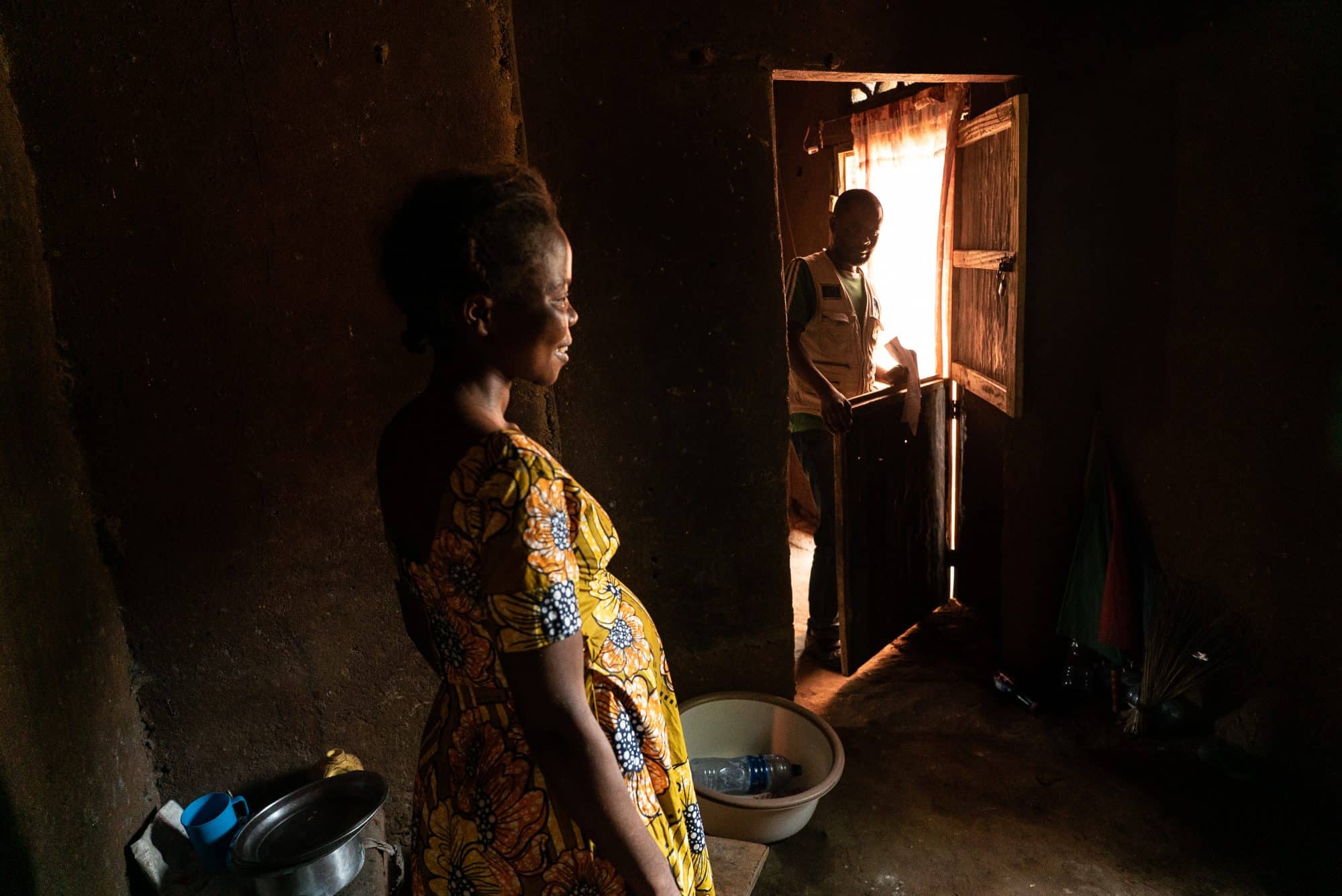
Gender-based violence is not decreasing
« Child and forced marriages, unwanted pregnancies linked to sexual abuse, unsafe abortions: in the DRC, particularly in South Kivu, gender-based violence is everywhere. And it is not decreasing, or only slightly so. We know, in particular, that this violence has increased by 86% compared to 2019 (OCHA 2020 report). It increasingly affects minors, and the number of pregnant girls under 18 is rising. In the face of this violence, stigmatization and lack of care remain common», explains Eric Wynants, Deputy Coordinator of Médecins du Monde in the DRC.
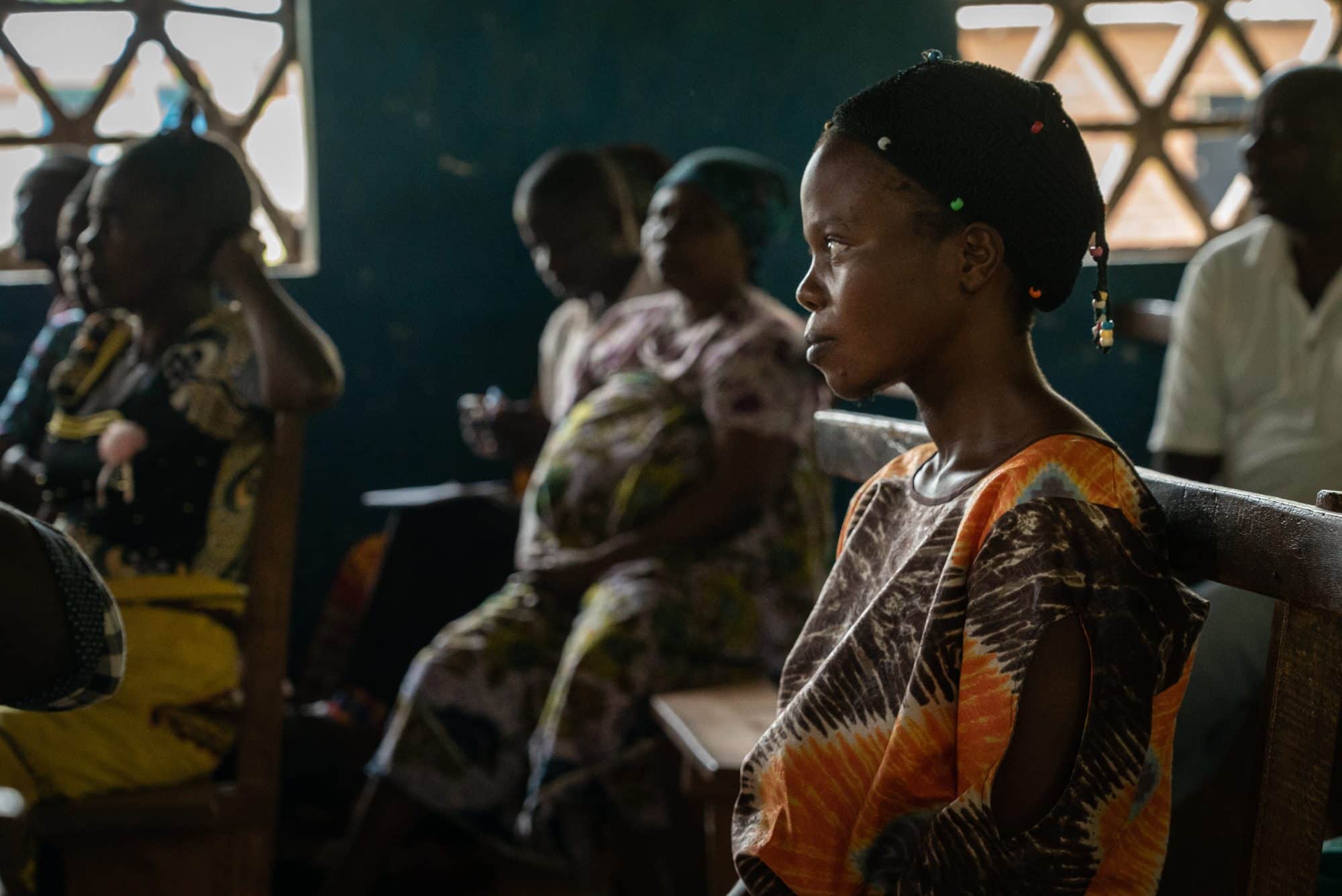
Increasingly young survivors of sexual violence
Furthermore, in South Kivu, rape, long used as a weapon of war, has spread widely throughout Congolese society, particularly through demobilized former child soldiers, militiamen, ex-rebels, and armed groups. Survivors appear to be getting younger, sometimes under the age of ten. This violence is in addition to other acts committed in a domestic or criminal context.
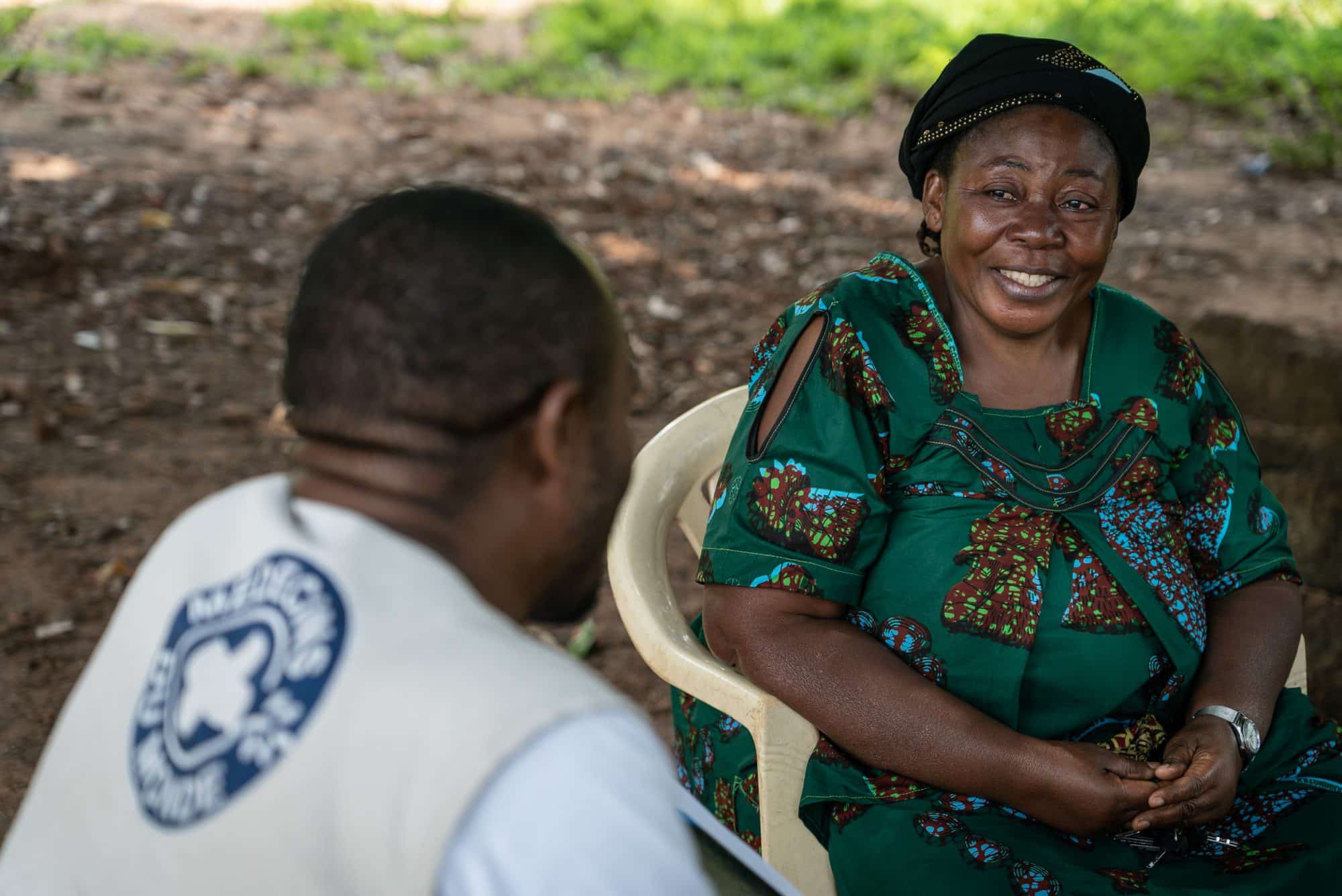
Médecins du Monde supports survivors of sexual violence
Since 2015, Médecins du Monde has contributed to eradicating sexual violence against women in the Democratic Republic of the Congo, particularly in South Kivu. After collaborating for seven years with Panzi Hospital (led by Dr. Mukwege), Médecins du Monde now conducts community-based activities focused on prevention, medical and psychosocial care, supports the professional integration of survivors, and refers them for legal advice. The organization also engages in advocacy. Given the tense security situation and the limited presence of humanitarian organizations in certain areas, Médecins du Monde’s intervention is essential.
Prevention within communities
In Itombwe and Minembwe (a mountainous area known as the ‘High Plateaus’), as part of prevention efforts, community groups consisting of around fifty people—opinion leaders, survivors of violence, and representatives of civil society—meet. The goal is to analyze the causes and aggravating factors that reinforce sexual violence and define a series of local actions aimed at eradicating it. « For example, during one period, many women who went to fetch water from Lake Kivu (on the outskirts of Bukavu) early in the morning were subjected to sexual violence. The road was poorly lit, and insecurity was at its peak. Following community discussions, it was decided to install public lighting. This drastically reduced the number of incidents», adds Eric Wynants.
Access to care: the critical 72 hours after rape
Women who have experienced sexual violence must go as soon as possible to a health center to obtain the post-rape kit, which includes treatment for HIV, the hepatitis B vaccine, treatment for other sexually transmitted infections (syphilis, gonorrhea, etc.), and the morning-after pill. More broadly, survivors of violence must be treated quickly. Médecins du Monde’s community groups visit villages to explain the availability of these services and the possibilities for medical care in health centers supported by the organization. Additionally, a medico-legal certificate allows survivors to file a complaint.
Médecins du Monde also provides psychosocial and
mental health support to survivors, informs them about their rights, and/or refers them to specialized legal actors.
Political mobilization
Finally, Médecins du Monde conducts advocacy work within communities: « Through a coalition of mayors and territory administrators, we mobilize political authorities to take measures to prevent and combat sexual violence and denounce those responsible», adds Eric Wynants.