The report provides an overview of the challenges and key demands of humanitarian organizations to better protect humanitarian and health workers.
The three organizations call on international donors to better consider the security of humanitarian and health personnel in the funding allocated to organizations, and urge States to ensure respect for international humanitarian law and humanitarian principles.
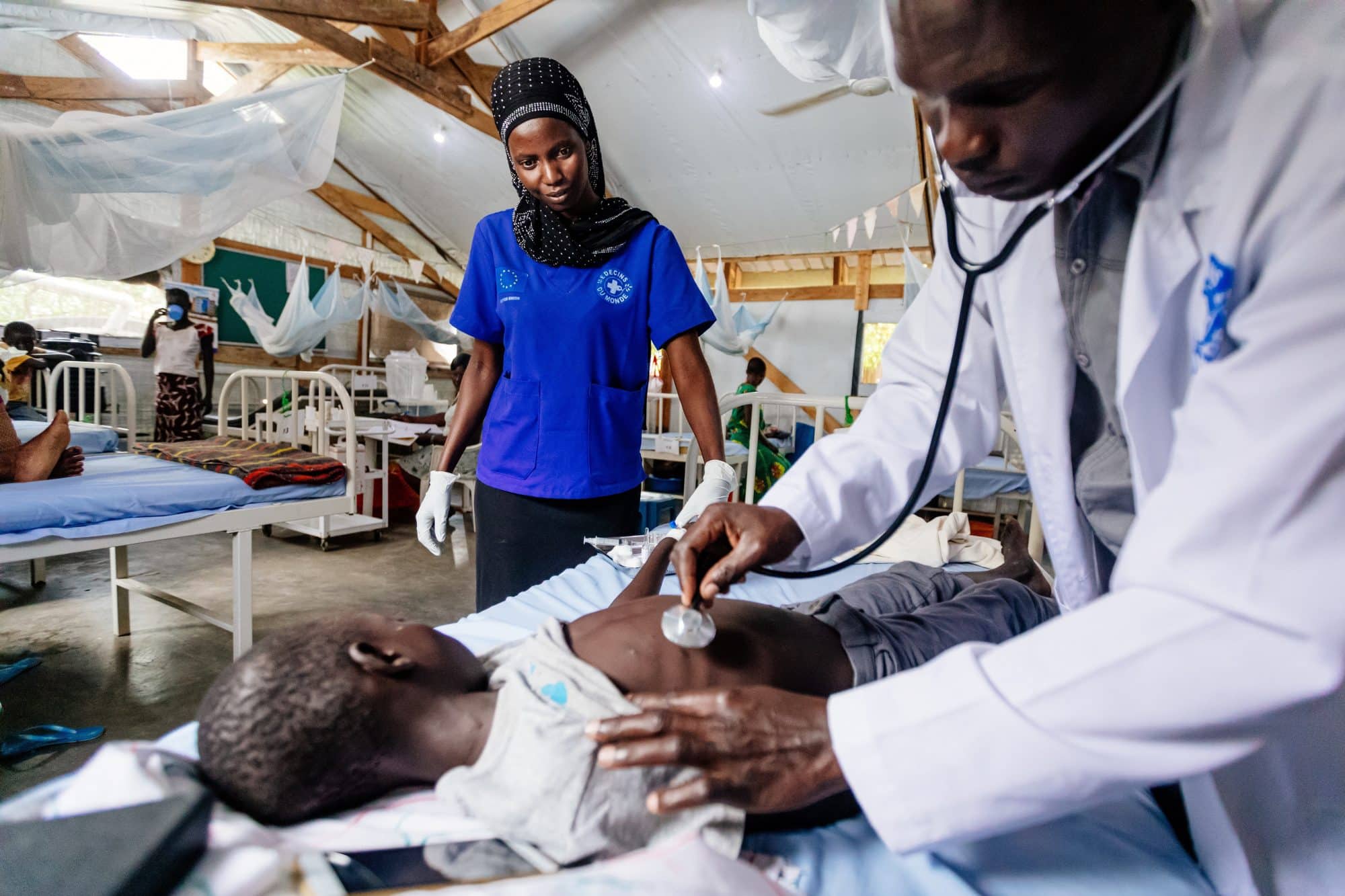
- “The safety of our teams is a daily concern. They must be supported as best as possible to fulfill their difficult mission: to care for those in need. This is why we are joining forces with ACF and HI on the occasion of World Humanitarian Day to call on States, donors, and the humanitarian community to continue the efforts of recent years. We have made progress, but threats to humanitarians, especially local ones, remain strong. Health personnel are also increasingly being targeted and prevented from providing quality care without hindrance, which is a growing concern for us.”
Nadja Pollaert, Executive Director, Doctors of the World Canada
Main threat: conflicts and repeated violations of international humanitarian law and humanitarian principles
In 2022, at least 439 attacks against humanitarian workers were recorded by the Aid Worker Security Database. The year 2022 was the most violent for health personnel in 10 years. 1,989 violent incidents against health facilities and personnel were recorded, resulting in 232 deaths among health workers. Around twenty countries, including South Sudan, the Democratic Republic of Congo, Myanmar, and Ukraine, are particularly dangerous for aid and health professionals.
While they are required to guarantee secure access to aid for populations under international humanitarian law and humanitarian principles, States and armed groups continue to endanger aid personnel. They perpetrate attacks against them or implement measures that politicize and criminalize humanitarian action and the medical mission. By doing so, they increase the risk of violence and prevent aid professionals from carrying out their fundamental mission: providing life-saving assistance and health care based solely on the needs of affected populations.
Local humanitarian and health personnel: the most exposed and the least protected
90% of humanitarian and health personnel who are victims of attacks are local actors. They are on the front lines, where needs are greatest, and provide assistance and health care in areas often inaccessible to international actors. They are the most exposed to the risk of violence but are often left with few resources. Donors and international partners must support them and ensure resources are shared to enable them to ensure their own security.