
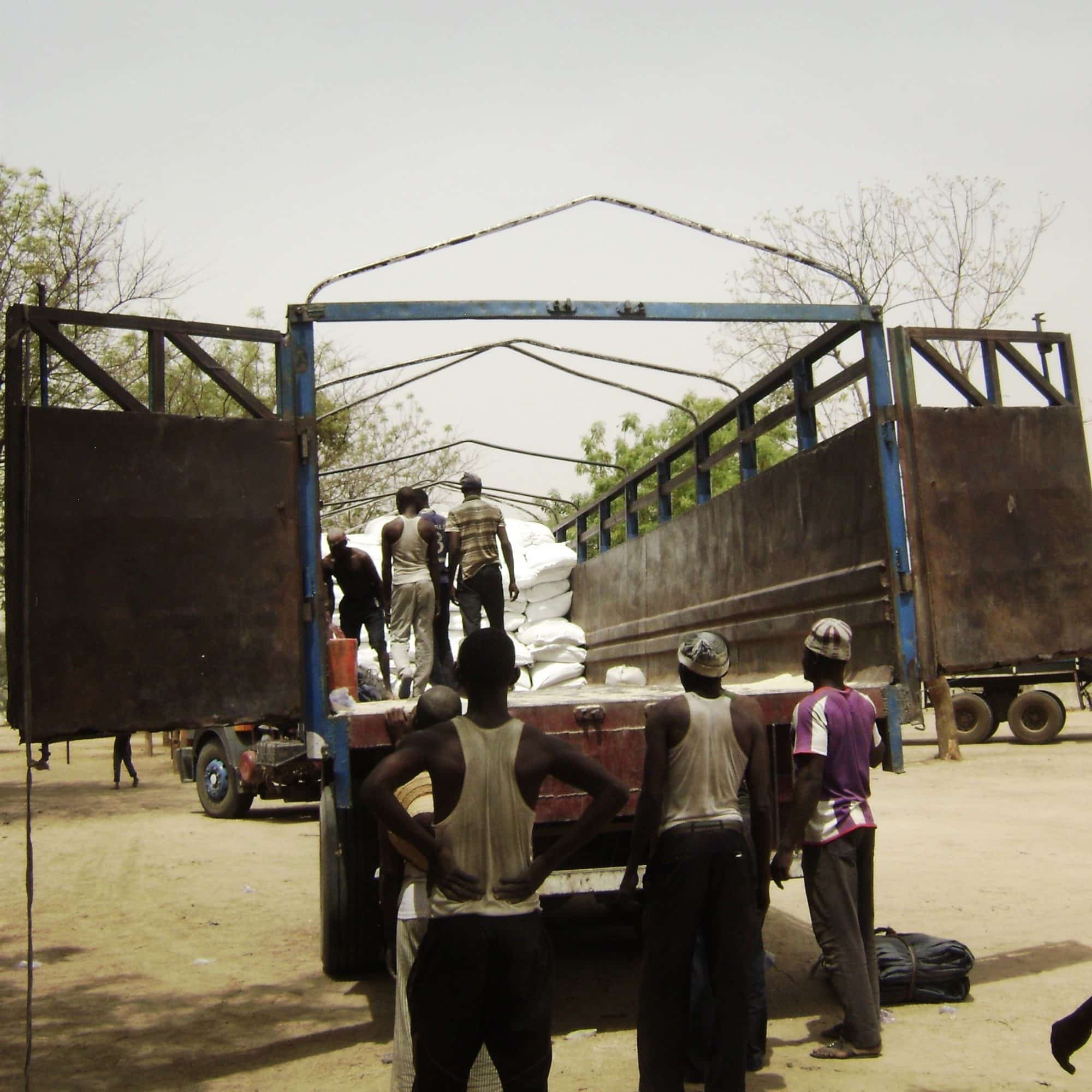
Year after year, Niger faces recurring cycles of humanitarian crisis, primarily affecting women, children, and internally displaced populations, migrants, and refugees. With the current situation, it is estimated that in 2023, 3.3 million Nigeriens will be affected by severe food insecurity and that an additional 7.3 million people (approximately 28% of the population) will be in a state of moderate food insecurity.
While the country must address food insecurity, the political crisis, economic sanctions, and the resulting surge in prices coincide with the annual lean season, increasing the risk of food shortages. The rainy season also exacerbates health precariousness and food insecurity across the national territory.
A multi-faceted crisis
1. Healthcare in Peril
The closure of borders and financial restrictions have led to a shortage of essential medicines, endangering the health of the most vulnerable. Growing insecurity hampers the movement of healthcare teams and restricts access to care services for the population, while also deteriorating the mental health of those exposed.
2. Deterioration of socio-sanitary conditions for migrants
Despite the fragile security context and border closures, people in migration situations continue to be pushed back from Algeria to Niger. Since July 26, 2023, over 500 migrants who were pushed back have been supported by Médecins du Monde in Agadez, through the provision of medicines and paramedical supplies to the staff of the health district.
3. Impact on the living conditions of the most vulnerable
Women and children are bearing the brunt of the economic and social deterioration linked to the country’s current situation, leading to a high risk of increased gender inequalities, gender-based violence, and obstacles to accessing sexual and reproductive health services.
4. Imminent food insecurity
Sub-regional and international economic sanctions will have a major impact on populations already facing a chronic crisis. Analysis of malnutrition predicts nearly 1.9 million children aged 6 to 59 months will suffer from acute malnutrition this year.
Should the situation deteriorate further, Médecins du Monde will continue its work with the Nigerien populations to ensure access to care for the most precarious, particularly women, children, migrants, and internally displaced populations.