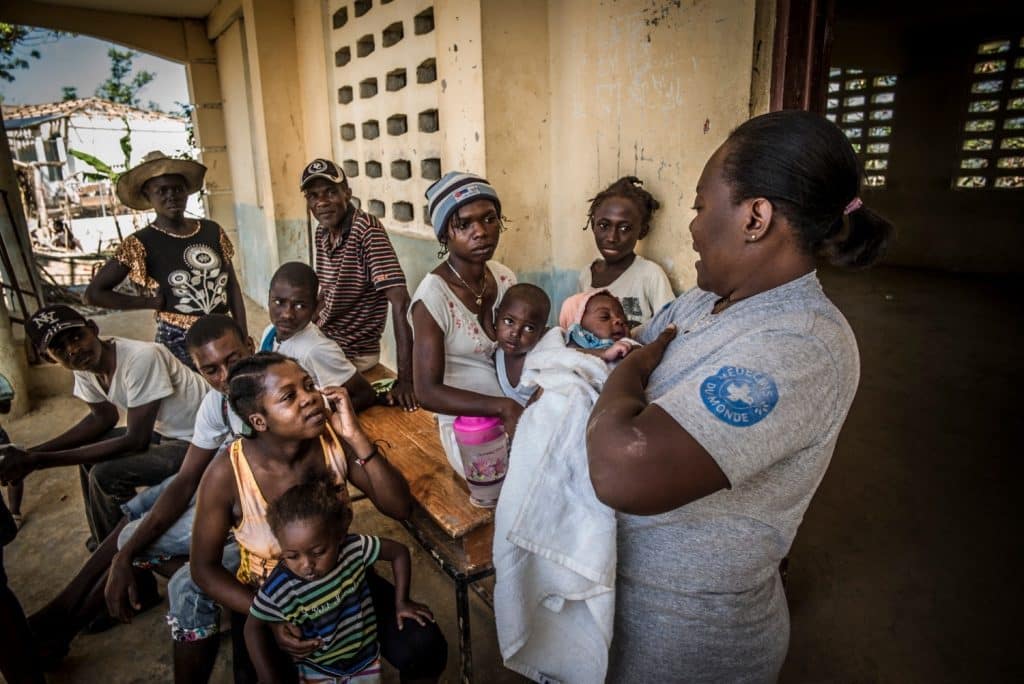
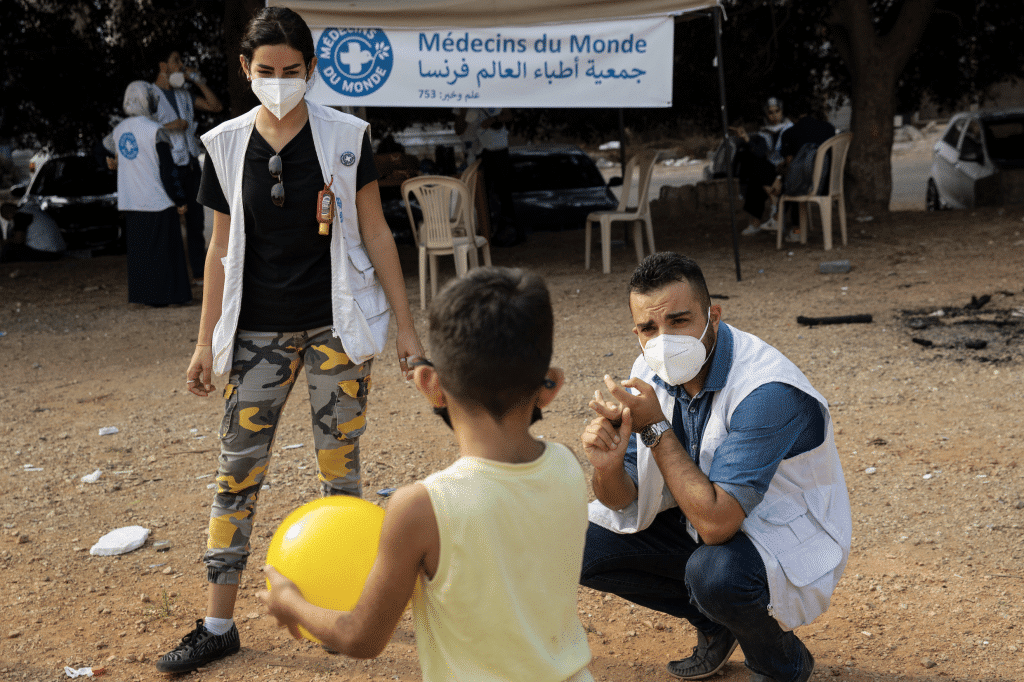
Implementation of a Minimum Emergency Device (DMU) in sexual and reproductive health and psychosocial support and access to care.
deaths
injured people
magnitude
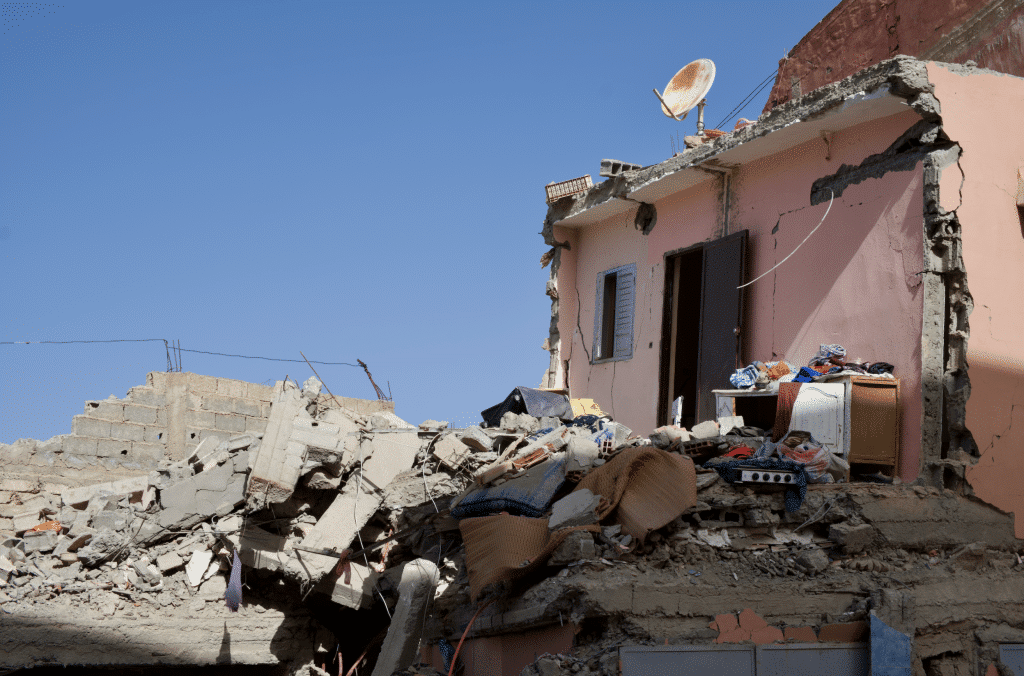
On September 8, 2023 at 11:00 p.m. (local time), an earthquake of magnitude 6.8 struck Morocco, followed by aftershocks of magnitude 4.9 and 4.5. Its epicentre, located in the High Atlas, 71 km southwest of Marrakech, placed the provinces of Al-Haouz and Taroudant at the heart of a disaster with dramatic consequences.
Beyond the human and material losses, this earthquake severely affected the mental health of populations, particularly in the mountainous areas of Al-Haouz and Taroudant. People already vulnerable before the disaster—persons with disabilities, women and girls, sex workers (SW), survivors of gender-based violence (GBV), SOGIESC persons, and persons in migration situations—were disproportionately affected, with their pre-existing fragility exposing them further to the consequences of the crisis.
In response to the emergency, government authorities activated the national response mechanism: deployment of civil protection teams, reinforcement of blood reserves, and delivery of essential resources (water, food, tents, blankets) to the affected areas. However, distributing aid in remote regions and covering primary health needs remain major challenges.
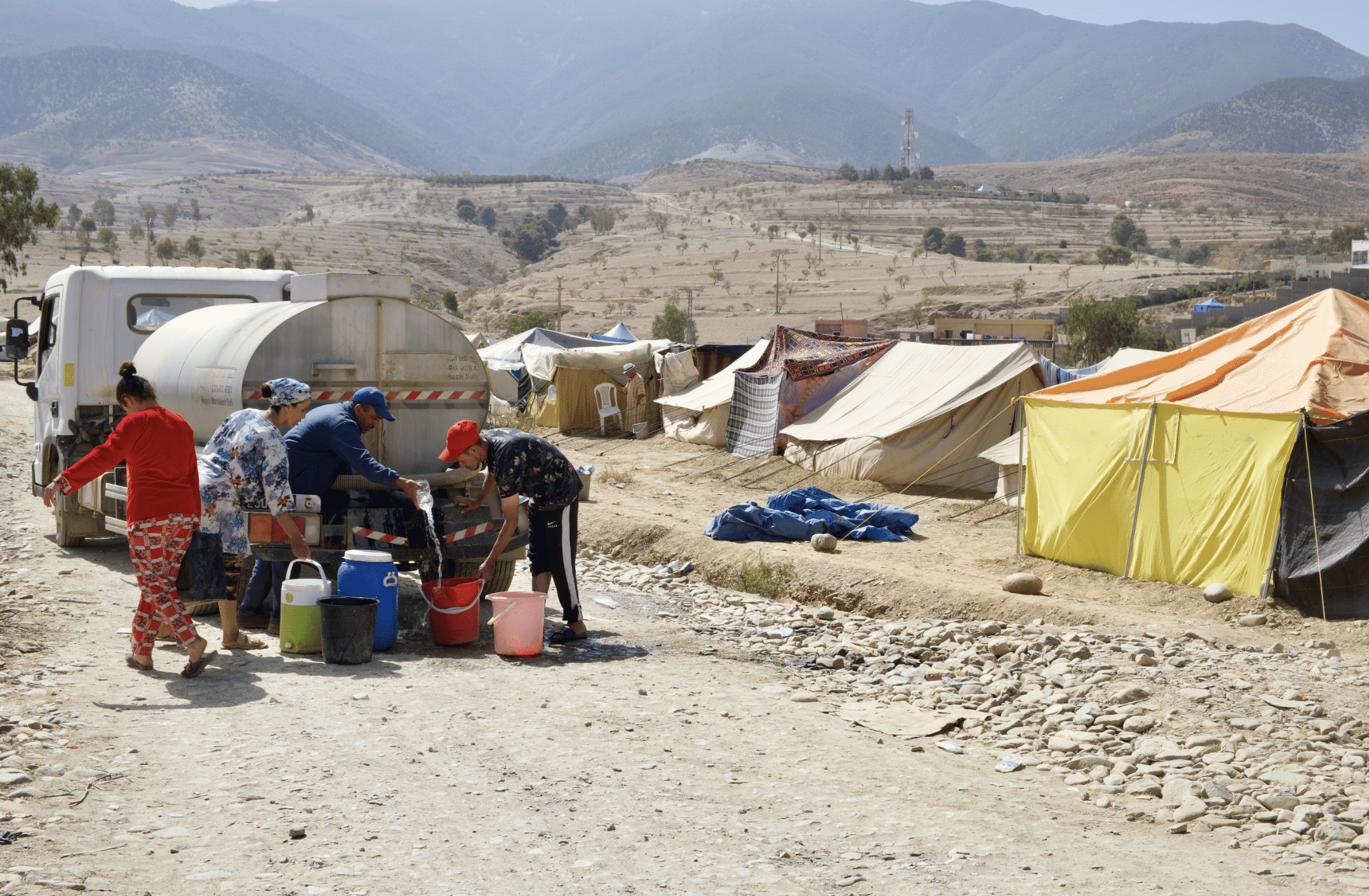
Photo: Marc Ferra
In partnership with the Moroccan Association for the Fight Against AIDS (ALCS), Doctors of the World intervened in the disaster-stricken areas by implementing activities adapted to the local community and cultural context, and continuously adjusted its response to the evolving needs, with the aim of contributing to Morocco’s response to the earthquake.
Doctors of the World set up emergency shelter, distributed hygiene and food kits, and activated the Minimum Emergency Device in sexual and reproductive health, including a psychosocial support component for the affected communities. The organization also supported and strengthened frontline responders through technical training for local partners to ensure quality care, and contributed to coordination among humanitarian actors present in Morocco.
Local civil society was strengthened in its advocacy for the rights of persons in situations of vulnerability, to ensure the sustainability of actions, community ownership, and better access to rights and quality health services. This was notably achieved through the engagement of communities and user representatives for effective participation in access to the right to health for persons in situations of vulnerability.