
Women in Quebec: Precarious immigration status, precarious health
In Quebec, approximately 50,000 people do not have access to health insurance coverage due to their precarious immigration status, according to an estimate by the SHERPA University Institute.
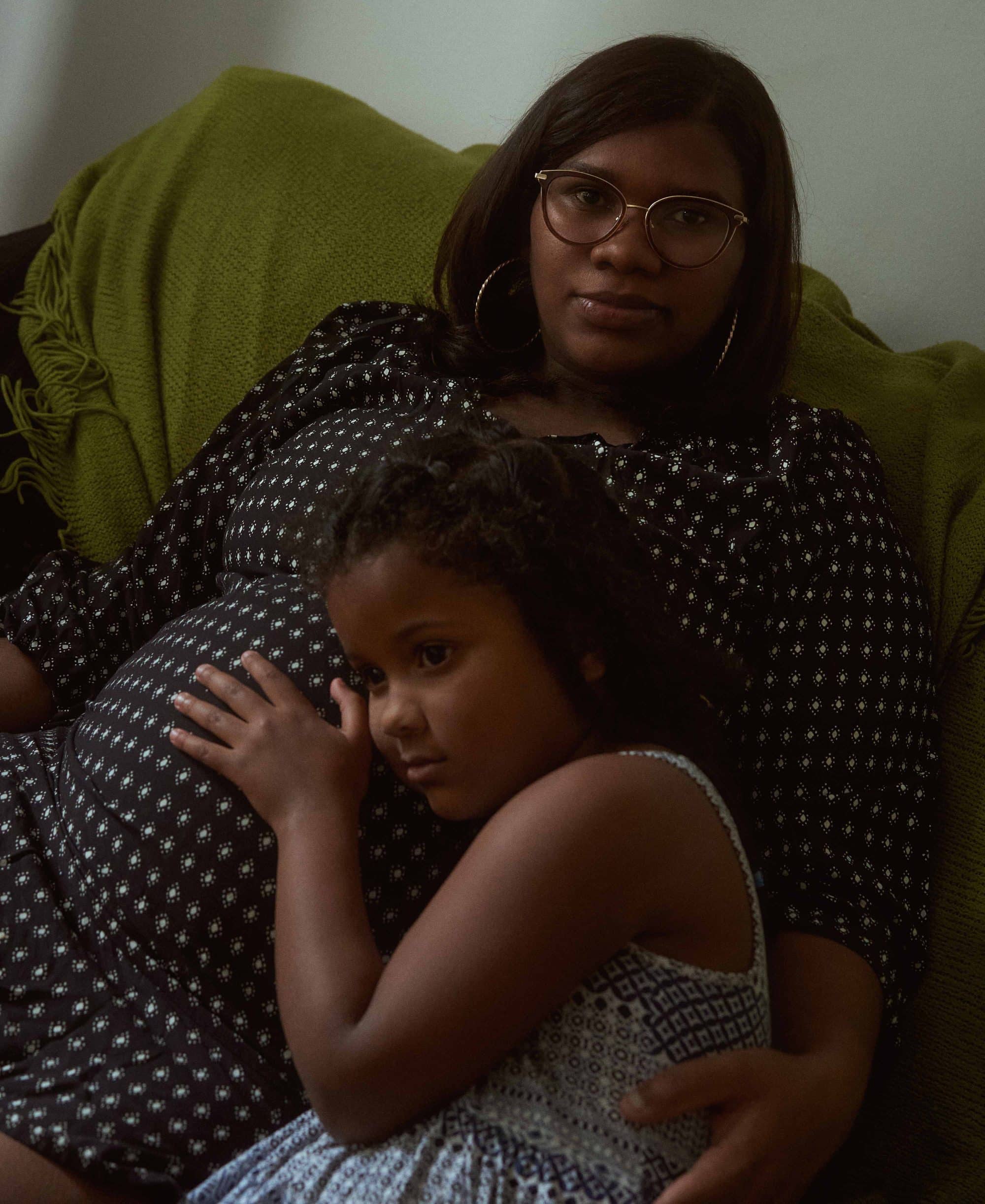
Among them are women like Paula, for whom pregnancy turned into a nightmare. Paula lives, works, pays taxes in Quebec, but she is awaiting sponsorship, which does not allow her access to care covered by the Régie de l’assurance maladie du Québec (RAMQ). The joy of the first moments with her baby quickly turned into anxiety. How to pay for each clinic or emergency visit when living on minimum wage and already supporting a family? How to gather $10,000 for the deposit required before childbirth? How to pay off debts linked to a delivery billed three times more—up to $20,000 or even more?
Recognizing this critical situation following the adoption of Bill 83, the Minister of Health and Social Services, Christian Dubé, mandated an interministerial working group led by the RAMQ to identify potential solutions for pregnant women without health coverage. However, the right to health for women should not be limited to the time when they are pregnant. They must also have access to other essential sexual and reproductive health services they need throughout their lives: family planning, abortion, gender-based violence, prevention, screening and treatment of sexually transmitted and blood borne infections (STBBIs), and reproductive system cancers.
Each year, nearly 300 migrant women—pregnant or not—without health coverage or the means to pay for care, present in a critical situation at the Médecins du Monde Clinic in Montreal. This was the case for Angelina, a 54-year-old woman from Grenada who had lived and worked in Canada for 30 years without status as a domestic helper. In 2019, she was diagnosed with advanced cervical cancer, which took her life two years later. She would still be alive if she had been able to receive care in time.
These women are therefore even more disenfranchised. They bear a disproportionate economic and social burden that impacts other determinants of their health, such as access to housing, healthy food, and social inclusion, in addition to having repercussions on public health. For example, the risk of development and spread of infectious diseases and STBBIs.
For this reason, Médecins du Monde and a coalition of health organizations formulated recommendations in a brief submitted to the Ministry of Health and Social Services (MSSS) and the RAMQ on March 17, to demonstrate that all women should have access to pregnancy-related health services, as well as other essential sexual and reproductive health services.
A matter of economics, public health, and solidarity
Unlike several U.S. states and European countries, Quebec leaves aside many women who work and live here. Denying them access to health care makes no sense from a medical, economic, or public health perspective.
Ensuring coverage under Quebec’s public health insurance and drug plans for all women living in the province, regarding essential sexual and reproductive health services, can alleviate pressure on the healthcare system. On the one hand, by easing the workload of care teams, and on the other, by avoiding late interventions that are more complex and costly. This is a humane and effective solution that should be part of the health system reform plan, ahead of the next elections.
Last year, the Quebec government showed political courage by granting access to health care for all children living in Quebec. As professionals committed to the right to health, we hope the government will continue its leadership by ensuring access to essential sexual and reproductive health services for every woman living in Quebec, regardless of her immigration status. This is a fundamental right whose implementation will clearly benefit society as a whole.
Dr. David-Martin Milot
President of Médecins du Monde Canada
Dr. Michel Welt
Obstetrician-Gynecologist, member of the Board of Directors and volunteer at Médecins du Monde Canada
Dr. Noémie Johnson, Dr. Loree Tamanaha, Dr. Nicole Seben, Dr. Charles Giroux, Dr. My Lan Graziani, Dr. Marie-Claude Goulet, Dr. Minh Thi Nguyen, Dr. Vanessa Bombay, Dr. Louis-Christophe Juteau, Dr. Anne-Sophie Thommeret-Carrière, Dr. Suzanne De Blois, Dr. Agnès Cailhol, Dr. Clairélaine Ouellet-Plamondon, Dr. Marie-Hélène Marchand, Dr. Christine Arsenault, Dr. Audrey Cournoyer-Roy, Dr. Carole Balthazard, Dr. Marie-Claude Moore, Dr. Maude Bernard, Dr. Élise Gonthier, Dr. Myrill Solaski, Dr. Sara Vadnais-Dionne, Dr. Sophie Poissant, Dr. Chiraz Chaalala, Dr. Camille Gérin, Dr. Lucie Maynard, Dr. Samir Shaheen-Hussain, Dr. Caroline Grégoire, Dr. Eve Blais, Dr. Delphine Boury-Simoes, Dr. Juan Carlos Luis Chirgwin